
There is a strange idea floating around travel spaces that if you did not move abroad at 22, backpack Southeast Asia at 24, or dramatically quit your job by 29, you somehow missed the window.
You did not.
Thirty is not old.
But moving abroad in your 30s can be a very different decision from moving abroad in your early 20s, and pretending otherwise does not help anyone.
When you are 21, you are basically a baby with a passport. You may have fewer possessions, less career history, and a remarkable willingness to sleep in an eight-bed dorm because it saves $14.
By your 30s, you may still want the adventure.
You may also want a kitchen.
You may have a career you spent years building. Parents who are getting older. Retirement accounts you have finally remembered exist. A partner, children, pets, debt, furniture you actually like, or simply a lower tolerance for chaos masquerading as spontaneity.
I moved abroad younger and eventually spent five years living and working in Thailand. I am not looking at this question as somebody wondering whether a life abroad is possible.
I know it is.
The difference now is that the questions I would ask before doing it again are much better.
Is 30 too old to move abroad?
No.
In some ways, I think I would be better at moving abroad now than I was the first time.
I know how to research visas. I understand apartments, transportation, paperwork, immigration offices, and the tiny logistical problems that make up ordinary life somewhere new.
I also know I should probably know something about the city before I am sitting in an airport in Qatar researching it between flights, which is more or less how prepared I was the first time I moved to Thailand.
Experience makes you better at uncertainty too.
Plans fall apart. People leave. Jobs do not work out. Something you planned for Tuesday becomes impossible on Monday afternoon.
You find another solution.
The useful question is not, Am I too old?
It is: Does moving abroad make sense for the life I have now?
Not every row will apply to you.
The point is that 30 does not close the door.
It changes what is sitting on the other side of it.
Some visa routes really do have age limits
This is one place where waiting can make a concrete difference.
Working-holiday and youth-mobility programs often have age restrictions, and the cutoff can depend on your passport rather than simply the destination.
I had a friend I will call Amy for privacy. She had just turned 30 and thought she had missed her chance to use Australia's working-holiday route.
Man makes plans, and God laughs.
Australia later raised the eligible age to 35 for UK passport holders, which included Amy.
She went.
That story is why I would never plan a move around a visa rule I remembered from a video, forum, or old blog post. Immigration rules change, and your passport matters.
Starting over in your 30s may be easier than you think
There were ways moving abroad was easier when I was younger.
I had more energy. More time to experiment. More of the naïve confidence that comes from believing there will always be time to fix whatever goes wrong.
Failure did not feel permanent because very little did.
Now?
I actually think I would be better at starting again.
I can move somewhere new, learn a system, build a routine, meet people, and begin again from zero.
I am fine with zero.
What I am less interested in is unnecessary nonsense.
Those are not the same thing.

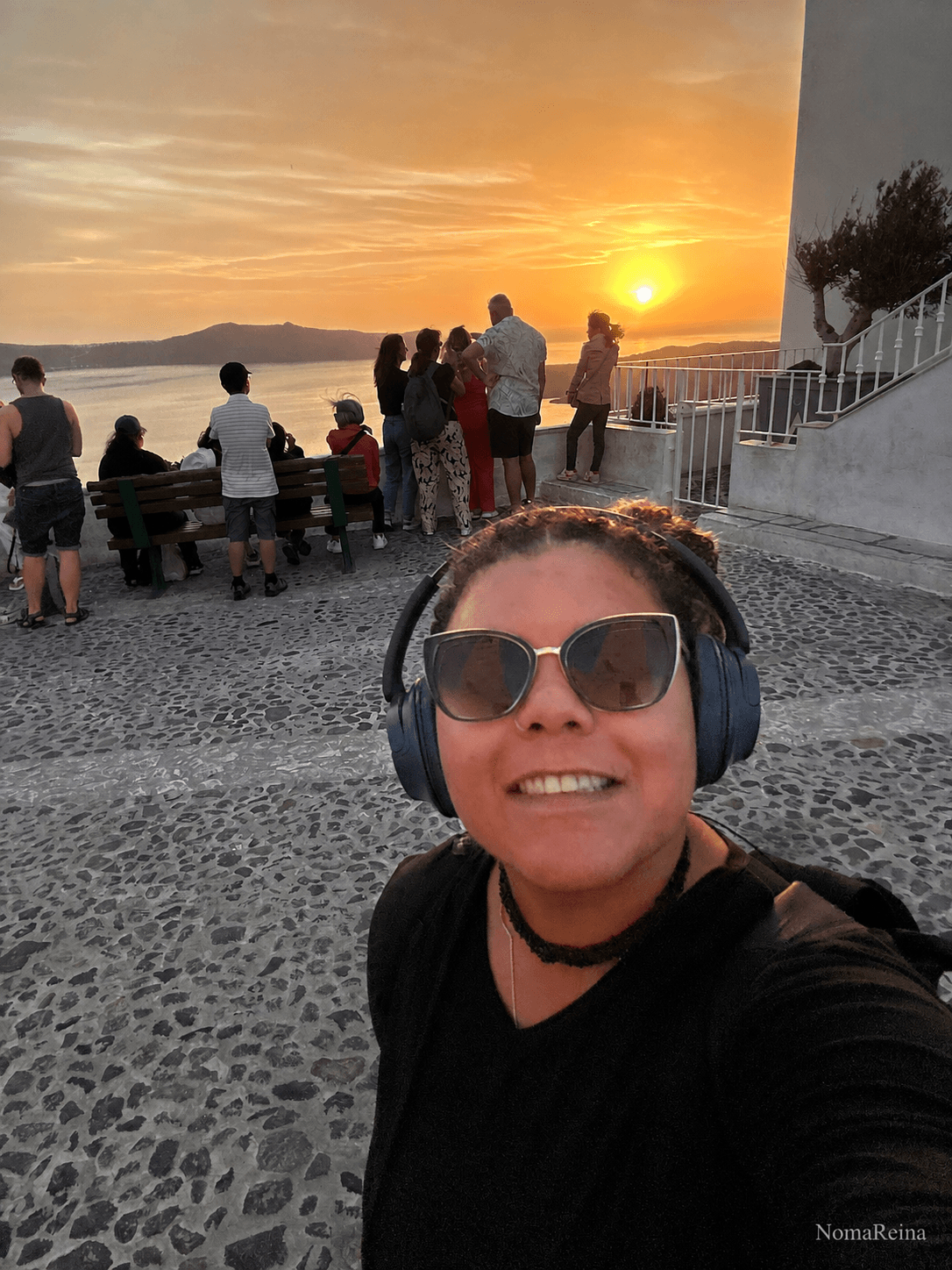
Your standards may be higher. Good.
There are things younger me tolerated because the alternative cost money.
Eight-bed hostel dorm?
Sure.
Long overnight bus?
Of course.
Tiny room with no kitchen?
I once lived in a one-room place in Thailand with a bed, bathroom, and balcony for about 1,500 baht per month.
Today, the thought of living somewhere long-term without a kitchen makes no sense to me.
I can make my own eggs. Thank you.
I will still choose the cheaper option when it makes sense. I am just less interested in making my life harder solely to prove I am adventurous.
At 22, “go with the flow” sounded exciting.
Now I would like to know what the flow is doing, approximately when it plans to arrive, and whether anyone bought the tickets.
Visit first if you can, but visit like somebody considering living there
I once romanticized London and Paris as places I might want to live.
I still like both.
I do not particularly want to live in either.
Paris taught me the useful version of this lesson because I stayed in the 14th arrondissement, not beside the Eiffel Tower pretending ordinary life consisted of croissants and sunsets over the Seine.
I had to walk about 15 minutes just to reach the first Metro station.
That does not sound dramatic because it is not.
That is the point.
Living somewhere is built out of undramatic things.
Go grocery shopping. Ride public transportation at the time you would actually use it. Look at neighborhoods inside your real housing budget. Open apartment listings.
Spend an ordinary Wednesday there.
Moving abroad can affect your career
This is where I am going to say something travel content does not always like to say.
Living abroad hurt my career in some ways.
I spent five years teaching in Thailand. Teaching gave me real skills: cross-cultural communication, patience, adaptability, and the kind of problem-solving ability you develop when the systems around you were not designed for people who grew up somewhere else.
But when I eventually wanted to change fields, I had five years of professional experience in a career I did not want to continue.
One year doing something different?
Easy enough to explain.
Five years?
Now we are having a longer conversation.
Before Thailand, I worked as an A-EMT. There was a serious shortage in my area, and my boss gave me a direct route back if I wanted to return.
That conversation changed my level of risk.
Not everybody has an employer like that.
Ask anyway.
Would I accept a job abroad today that looked like a step backward on paper if it created a life I genuinely wanted?
Yes.
Paper is paper.
People sometimes talk about spending five years doing something different as if those years vanished.
They did not.
I lived them.
Some employers will value international experience. Others are going to look at your résumé and wonder why you stepped off the conventional ladder.
You do not know which person will be sitting across from you in an interview.
That does not mean you stay home because an imaginary hiring manager might disapprove of your life.
It means you understand what you are trading.
How much money do you need to move abroad?
There is no responsible universal number.
When I first moved to Thailand, I had about US$2,000 left after buying my flight. I made it work, but that number leaves out a lot of context: my housing and visa were covered at first, I had a monthly stipend coming, and I had friends and family I could call if I got into trouble.
I also ran out of money three times.
I wrote a full breakdown of what that $2,000 actually covered, what I would do differently now, and how I think about financial runway after five years of living abroad in How Much Money Do You Need to Move Abroad? I Moved to Thailand With $2,000 →
The bigger point, especially if you are considering a move in your 30s, is that the number matters less than what the money needs to do. Someone with a guaranteed job and employer-provided housing needs a very different cushion from someone arriving without income or a place to live.
The move affects people, not just geography
Your parents are getting older while you are gone
This is one of the biggest differences for me now.
At 22, I mostly thought about myself.
Now I notice my parents' gray hair.
I notice them slowing down in little ways.
That does not mean I have to remain physically beside them every day. It means distance has a cost I understand differently now.
I want this life. And there are people at home I want more time with too.
There is no inspirational quote that solves that tension.
You decide what you can live with.
You leave your social infrastructure too
When you move abroad, you do not only leave your apartment or job.
You leave the friend you can text at 7 p.m. The person who already knows why you are upset without receiving the twelve-year backstory. The familiar jokes. The people who remember previous versions of you.
Abroad, temporary friendships can be built into the environment. Someone's contract ends. Somebody's visa expires. Somebody goes home.
You meet people. You build something. Somebody leaves.
Then you start again.
I knew a woman in her late 30s who moved to Krabi with her boyfriend of nine years. He eventually wanted to return to the UK.
She did not.
They broke up.
She stayed.
She built community. She built a business.
Last I heard, there was a new boo.
If you are struggling socially abroad, the problem may not be your age.
You may simply be somewhere that does not contain many of your people.
I go deeper into that in How to Make Friends After Moving Abroad When You Don't Know Anyone.
Loneliness abroad is not the same as being alone
I enjoy being alone.
Loneliness is different.
Loneliness abroad can feel especially isolating because you are not only missing people.
You are missing familiarity.
Sometimes something bad happens at 3 p.m. for you, but the people you love are asleep twelve time zones away.
The weekend becomes the international emotional-support hotline.
Sometimes somebody simply stops answering.
There was no final fight. No dramatic ending.
She never replied.
After I moved, I messaged her several times.
I had one university friend I once saw almost every day. I stayed with her family. I knew the people around her.
Sometimes it is the only thing left.
Sometimes nostalgia is enough to keep a friendship warm.
Their careers changed. Their families changed. Some had children. Meanwhile, my transportation was different. My food was different. My jokes were different. My language was different.
I still had the 2018 model.
They had the current update.
Eventually it felt like we were running different versions of the same software.
Of course they did.
When I left the United States, some of my friends' lives continued in ways I was no longer physically part of.
Your friendships back home may change too
Dating belongs in the country-fit conversation too
If finding a long-term partner matters to you, include that when choosing where to live.
Thailand was difficult for me romantically.
I had plenty of male expat friends.
Dating them was another story.
At one point, I spent so much time going to the gym, parties, and random activities with male friends that I finally asked one:
Kevin, am I your boy?
He paused.
Then I watched realization arrive on his face.
Apparently, yes.
I had successfully infiltrated the male sphere.
The lesson was not that Thailand is bad for dating.
It was that your relationship goals do not disappear because you moved somewhere beautiful.
Eventually, living abroad becomes ordinary life
At some point, the country stops feeling like one long trip.
You go to the market. You know which grocery store carries the thing you like. You argue with a landlord. You need a doctor. You commute.
When you are a tourist and somebody annoys you, you leave.
When you live somewhere, you might see that person every week until the end of time.
That is when things get real.

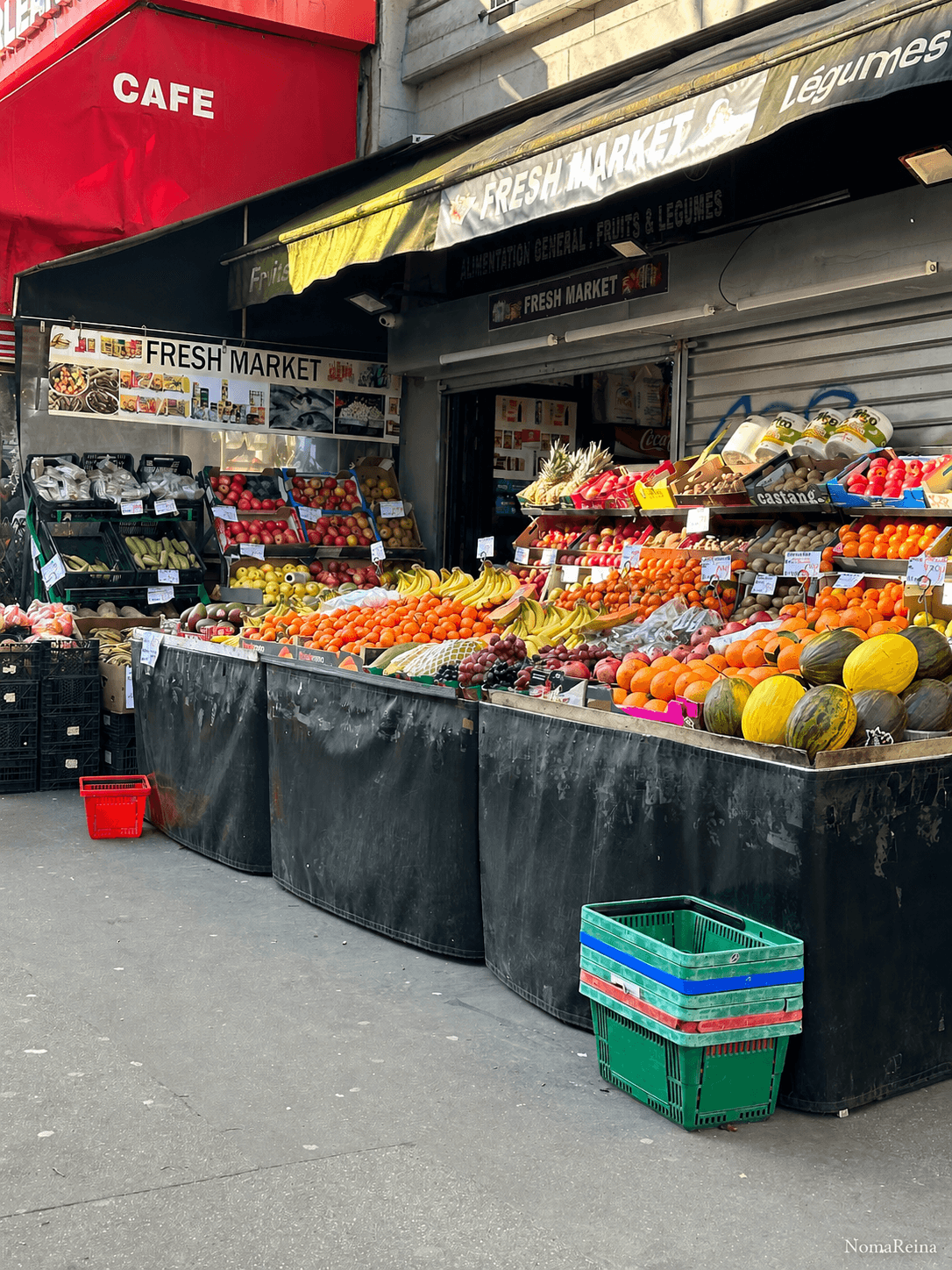
Living abroad is groceries, laundry, landlords, doctors, banking, commuting, and bureaucracy.
It is ordinary life inside a system you did not grow up understanding.
You may miss cultural fluency more than products from home
Over time, what I missed was less about products and more about understanding.
Humor. Shared references. The tiny frustrations everybody around you already understands.
I remember conversations in Bosnia where people would joke about government corruption. I could research the politics. I could ask questions. I could listen.
But I was still on the outside of that joke.
There is nothing wrong with being an outsider.
Just remember when you are one.
Abroad, immigration can make that question part of ordinary life.
In your home country, you rarely have to explain why you deserve permission to remain there.
Who are you? Why are you here? How long are you staying? What visa do you have? Can you legally work? Do you have the right paper?
Living somewhere also means needing help inside systems you did not grow up understanding.
Your identity travels with you too
Moving abroad does not make race, gender, appearance, religion, sexuality, disability, passport, or class disappear.
It can change how people read you.
People rarely assume I am American. In Portugal, people thought I was Brazilian. In Thailand, I was read as mixed Thai, Filipino, or Indian. In Bosnia, Mexican.
Those assumptions affected interactions in ways I could not have predicted from a generic guidebook.
I explore that more in Living in Thailand as a Woman of Color.
Moving abroad will not save you from yourself
Changing your environment can change your life.
It can change your opportunities, commute, cost of living, social circle, and what is possible on an ordinary Tuesday.
But distance is a terrible therapist.
If the real problem is internal, it generally finds room in the suitcase.
For years I thought living in the right place would somehow help me meet the love of my life.
Geography changed the people available to me.
It did not fix my tendency to choose toxic partners.
That problem belonged to me.
If you had never seriously wanted to move abroad until Tuesday and by Thursday you are pricing apartments in Lisbon because Chad left?
Maybe give it a minute.
You are allowed to decide a country is not for you
I do not treat every difficult first month as proof you chose wrong. Moving is disruptive. Culture shock exists. Building community takes time.
But if you have tried different neighborhoods, worked on meeting people, adjusted what is within your control, and still wake up consistently unhappy, maybe the country is simply not for you.
You are allowed to leave somewhere you worked hard to reach.
Coming home is not failure either
I always told myself I would know when it was time to leave Thailand.
Eventually, I did.
Five years had become enough.
Returning to the United States became its own form of culture shock.
People around me were using America 2026.
Parts of me were still operating on America 2018.
Home did not stay frozen while I was gone.
Neither did I.
If you live abroad for two years and decide you are done, you did not fail to become an expat.
You lived abroad for two years.
That was the experience.
You are allowed to take what you gained from it and make the next decision.
You do not have to turn living abroad into a permanent identity for the experience to count.
A return does not erase the move.
So, should you move abroad in your 30s?
What do you actually lose by waiting until your 30s?
Possibly some age-limited visas.
Possibly your enthusiasm for eighteen-hour buses.
Possibly the ability to eat instant noodles for a week and call it financial planning.
You may have more obligations too.
But you gain things.
Experience.
Better judgment.
More confidence saying no.
A clearer understanding of what you actually like instead of what everybody around you likes.
I think one of the strangest myths about women and age is the idea that some enormous door slams shut at 30.
In my experience, life is just starting to get fun again.
You still have youth.
Now you also have enough trial and error behind you to recognize some of the stupid decisions before you make them.
Dangerous combination.
If a 32-year-old woman told me, “I feel like I missed my chance,” I would ask one question:
Are you dead yet?
No?
Then you still have a chance.
That does not mean you should move abroad.
Maybe the life you want involves keeping your career and home base while traveling several times a year. Maybe you want a six-month career break. Maybe you want a two-year job overseas. Maybe you want permanent residence somewhere else.
Maybe you try it and come home.
NomaReina exists partly because there is an enormous amount of life between the two travel stories we hear most:
Take your couple of weeks of vacation.
Or quit everything and become a digital nomad.
There is a lot of life in between.
If I moved abroad again now, I would research before I reached Qatar.
I would pay more for the kitchen.
I would think harder about my career.
I would pay more attention to community.
I would think about my parents.
I would make sure I understood the visa, taxes, housing, and how I would get out if everything went wrong.
None of that makes the decision less adventurous.
It makes it mine.
If you are thinking about moving abroad in your 30s, you deserve something better than somebody on the internet yelling, “Just do it.”
Do the research. Run your numbers. Investigate the visa. Think about your career. Think about your people.
Think about the boring Tuesday morning version of the place, not only its Saturday sunset version.
Then decide whether the trade is worth it for you.
Thirty does not make the answer no. It may finally mean you know enough about yourself to give a better answer.
Join the conversation
Have you moved abroad after 30? What changed for you?
Thoughtful conversation is welcome here. Share what surprised you, what changed, or what you would tell somebody considering the move now. See the Policies & Disclaimers.