Travel and Identity
Living in Thailand as a Woman of Color: Welcome Is Not the Same as Belonging
A candid look at race, work, community, and belonging after building a life in Thailand.
Not bad. Not magical. Just layered.

Living in Thailand as a woman of color was layered. I moved there in 2018 and stayed through the COVID years, a period that changed daily life, work, and community in ways I am still unpacking. The pandemic story deserves its own space, so I will save that one for another day.
I first came as a volunteer English teacher and later became a secondary-school science teacher at a large public school in southern Thailand. At first, expat life looked exactly how people imagine it: beaches after work, fire shows at night, late-night food markets, and Tinder bios announcing, “Here for a good time, not a long time.”

That version of Thailand is real, but it is only one part of the picture.
Teaching and Working in Thailand as a Woman of Color
Teaching in Thailand is not a cakewalk.
Students can be blunt, and cultural expectations can feel strict. At my school, appearance mattered. Teachers were expected to wear pressed clothes, style their hair carefully, and follow a strict dress code. The school saw those details as signs of professionalism.
A Filipino co-teacher once told me the school deducted part of her pay after she arrived with wet hair from her morning shower. Administrators considered it improper. That may sound small from the outside, but it showed me how much presentation mattered.
Moments like that taught me something important about working in Thailand: optics matter.
Race and Foreign Teaching in Thailand
Thailand could feel warm and socially open. I saw visible LGBTQ+ communities and forms of gender expression that surprised many newcomers. Still, acceptance in one part of life did not mean everyone received the same treatment in another.
In the foreign-teaching world, teachers regularly talked about schools favoring white applicants or people from certain passport countries, even when other candidates had stronger qualifications. Research on foreign teachers in Thai schools has also documented racial discrimination. I did not see every hiring decision myself, so I can only speak to the patterns people around me described and what I noticed within the industry.
Sometimes the image a school wanted for a brochure or classroom seemed to matter almost as much as a teacher’s education. That was uncomfortable to admit, especially because most of my daily interactions in Thailand were kind.
My Experience Living in Thailand as a Woman of Color
I want to be clear about my own experience: I did not face direct racism in my daily life.
My neighbors were kind. People smiled often, and I felt safe moving through my community. I also know that I had two advantages: an American passport and a pre-med science background that included a Chemistry minor. Schools could have a harder time filling science positions than English positions, which made me a stronger candidate.
Would my experience have looked the same without those factors? Probably not.
I was not the first choice in every room, but I still built a life there.
The job also gave me something important: a legal home base in Thailand. I did not need a remote job to live abroad. I could travel on weekends, Thai holidays, and school breaks while keeping steady work in one place.
That structure opened more of the region to me without requiring me to become a digital nomad.
Belonging Can Be Hard for Any Woman
Race shaped my experience, but it was not the only thing that shaped belonging. My friend Ren is a white American woman of Croatian and Italian heritage. Her experience was different from mine, yet some of the emotional questions were surprisingly similar.
Ren has lived in Thailand for more than five years. After years of study, she speaks, reads, and writes Thai. Her husband is Thai, and she has built a life that goes far beyond a temporary expat experience. Even so, she often found herself between worlds.
She does not live a luxury expat lifestyle. Instead, she prefers a small Thai-style house, showers with a bucket and hose, and eats many meals seated on the floor. She is happy that way. Some expats see her as too cheap, while Thai people may still see her as too foreign.
“No matter how well I speak Thai, I am still a farang at the end of the day,” she has told me.
Farang is a common Thai word for a Westerner, especially a white foreigner. People often use it in a neutral way, but context matters. For Ren, the word could still remind her that fluency, marriage, and years of daily life did not make everyone around her see her as Thai.
Her story does not erase the racial hierarchy I saw. It shows something alongside it: any woman can struggle when she builds a life between cultures. Privilege changes which doors open, but it does not guarantee belonging.
Living in Thailand: Welcome Versus Belonging
This is the distinction I wish more travel guides made.
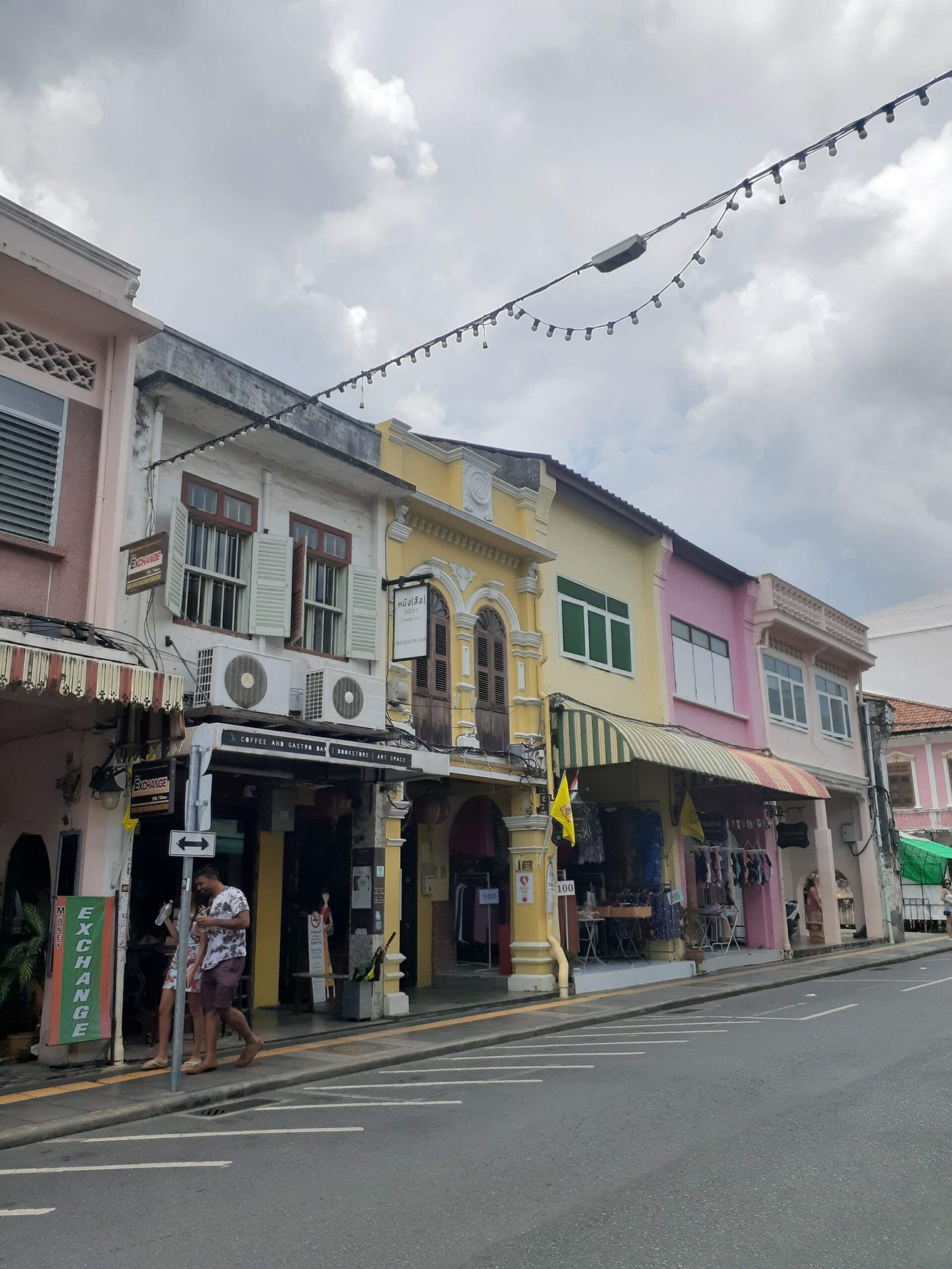
Thailand made me feel welcome, but belonging was more complicated. You can live somewhere for years, build routines, form relationships, and still feel like an outsider. Ren’s experience showed me that this in-between space can feel lonely even when life looks good on paper.
Being treated kindly is not always the same as feeling that a place fully recognizes you. Kindness can happen quickly. A deeper sense of belonging may take years, and sometimes it never arrives in the way you expect.
What I Wish I Knew Before Moving to Thailand
Warmth can still come with conditions. A place can feel friendly and safe while still having unspoken rules about nationality, skin color, appearance, gender, and class.
Ability is not the only factor. Qualifications matter, but your passport, accent, appearance, and the image an employer wants to present can matter too.
Community changes everything. Finding people who understand your perspective can make the difference between simply staying somewhere and building a life there.
You do not have to defend your discomfort. A place can be beautiful while a person still struggles inside it. Both things can be true.
There is no single truth about living in Thailand as a woman of color, or about living there as a foreigner more broadly. There are patterns, circumstances, and individual experiences. Mine is one of them, and Ren’s is another.
A Stable Base Can Still Create Movement
Teaching abroad gave me a way to live internationally without pretending I could work from anywhere. I worked at a school, followed its calendar, respected the limits of my visa and work permit, and traveled when my schedule allowed it.
That may sound less glamorous than becoming a digital nomad, but for me, it was real, sustainable, and life-changing.
Read next: How Teaching in Thailand Made Travel Possible Without a Remote Job
Frequently Asked Questions About Living in Thailand as a Woman of Color
What is living in Thailand as a woman of color really like?
My experience was layered. People generally treated me kindly, and I felt safe in my daily life. At the same time, I saw how colorism, nationality, passport privilege, and employer preferences could shape who schools viewed as desirable or professional. Feeling welcome was not always the same as feeling that I fully belonged.
Can women of color teach in Thailand?
Yes. Women of color teach in Thailand, but qualifications are not the only thing that can affect the job search. A candidate’s passport, accent, subject area, appearance, and willingness to work outside highly competitive cities can shape the opportunities available. Skills in harder-to-fill subjects may help, but requirements and hiring practices vary by school.
Is Thailand welcoming to Black women?
Many Black women share warm and positive experiences in Thailand, and most of my own daily interactions were kind. However, racism and colorism can still appear. Experiences vary based on skin tone, nationality, location, workplace, and social circle, so one person’s story cannot predict everyone else’s experience.
Does race affect foreign teachers in Thailand?
It can. Research and first-person accounts have documented racial and nationality preferences within parts of Thailand’s foreign-teaching industry. Those patterns do not control every hiring decision, but they are worth understanding alongside salary, qualifications, visas, and school location.
Sources and Further Reading
Navigating between cultures: foreign teachers within Thai and Japanese schools