
If you are trying to figure out how to make friends after moving abroad, the annoying answer is that meeting people can be surprisingly easy.
Making actual friends is harder.
I have met someone abroad and, within 24 hours, somehow ended up on a boat with them.
I have shared rooms, road trips, meals, and questionable decisions with people whose last names I could not tell you today.
I have also gone through stretches where I knew plenty of people and still felt lonely.
That is the contradiction.
Moving abroad creates access to people who are unusually open to connection: coworkers, other newcomers, travelers, neighbors, language partners, people you met at breakfast who suddenly want to go to an island that afternoon.
But access to people is not the same thing as friendship.
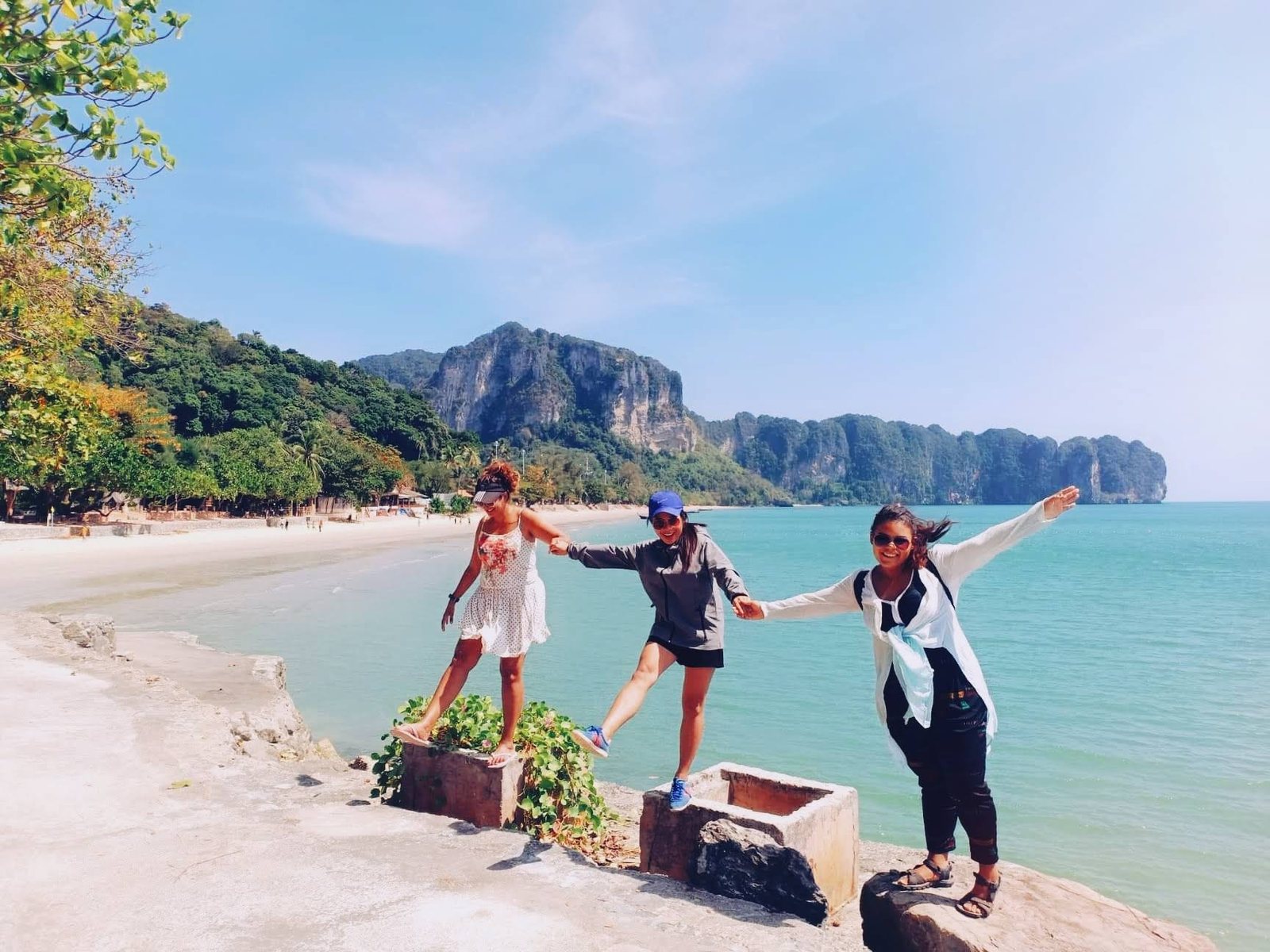
How to Make Friends After Moving Abroad: The Short Answer
- Return to the same places. Repetition gives people a chance to know you.
- Follow up when you genuinely like someone. Friendship rarely grows from two people silently hoping the other one texts.
- Watch for reciprocity. If you are always calling, inviting, and checking in, that is information.
- Build around your real interests. Do not spend every Friday in a bar if you hate bars.
- Make room for local and international friendships. You do not need to choose one team.
- Learn some of the local language. Fluency is not required. Effort matters.
- Expect some friendships to be temporary. Temporary does not mean fake.
- Give it time. Meeting people can happen in a day. Belonging usually takes longer.
The goal is not to collect people. It is to find the relationships where interest, effort, compatibility, and timing overlap.
You Can Know a Lot of People and Still Not Have Friends
I have probably known thousands of people by now.
That sounds more impressive than it is.
A person knowing my Instagram handle does not mean they know me. A hostel conversation does not prove it either. Working beside somebody every day can still leave you as acquaintances.
When I first moved to Thailand, my first real friend was another person working there.
I tried to connect with other foreigners too, but many already had their group. Nobody necessarily had to exclude me openly. I could simply feel that I was entering a friendship with history I did not share.
It took me months before I felt like I had a real social life.
Somebody more extroverted may have built one faster.
Reciprocity was what changed things for me.
I also had to learn the opposite lesson.
Sometimes the relationship is simply not going anywhere.
I once helped someone connect with a job in Krabi. Afterward, every call suddenly went unanswered and every invitation somehow met a fully booked social calendar.
Message received.
You can make the first move. You can invite. You can be warm.
You do not have to spend six months submitting friendship applications to somebody who keeps losing the paperwork.
Maybe You Are Not an Introvert. Maybe You Have Not Found Your People Yet.
People often read me as introverted.
I understand why.
I do not walk into a room thinking, Excellent. Fifty strangers. Let me meet every single one.
I like privacy. Spending a day alone does not automatically trigger a crisis about my social life.
But “introvert” has never explained me perfectly.
I am also the person who has gone on impromptu boat trips with people I knew for about a day.
Apparently I am socially reserved until somebody says:
“Want to do something mildly ridiculous?”
Then I am available.
Living abroad taught me that being private and being afraid of people are not the same thing.
Sometimes what looks like introversion is partly environment.

You may not need to transform yourself into an extrovert.
You may need to find people who make you want to come out of your shell.
Become a Regular Somewhere You Actually Like
One of the easiest friendship tips to give is:
Go out more.
Great.
Where?
I used to go to bars with people in Thailand even though I did not drink or smoke. They had fun. I came home smelling like cigarettes and wondering why I had paid money for the experience.
Eventually I stopped going as often.
From my perspective, I was avoiding smoke, spending, and a setting I did not particularly enjoy.
From their perspective, I may have been avoiding them.
Nobody necessarily did anything wrong.
The environment just did not fit me.
Places that worked better included:
- art events
- secondhand markets
- music scenes
- beaches and recurring beach spots
- workplaces
- hostels and shared living spaces
- community events
- places where I already cared about what was happening
Go somewhere the real version of you would willingly return to next week.
If you hate bars, your new best friend may not be hiding behind tequila number four.
How Long Does It Take to Make Friends After Moving Abroad?
Probably longer than one excellent night.
Communication researcher Jeffrey Hall studied adults who had recently relocated and found rough friendship thresholds associated with time spent together:
The research also found that chosen leisure time mattered more for closeness than simply occupying the same workplace.
These are estimates, not deadlines.
Please do not create:
Sarah: 73 friendship hours. Promote after two more brunches.
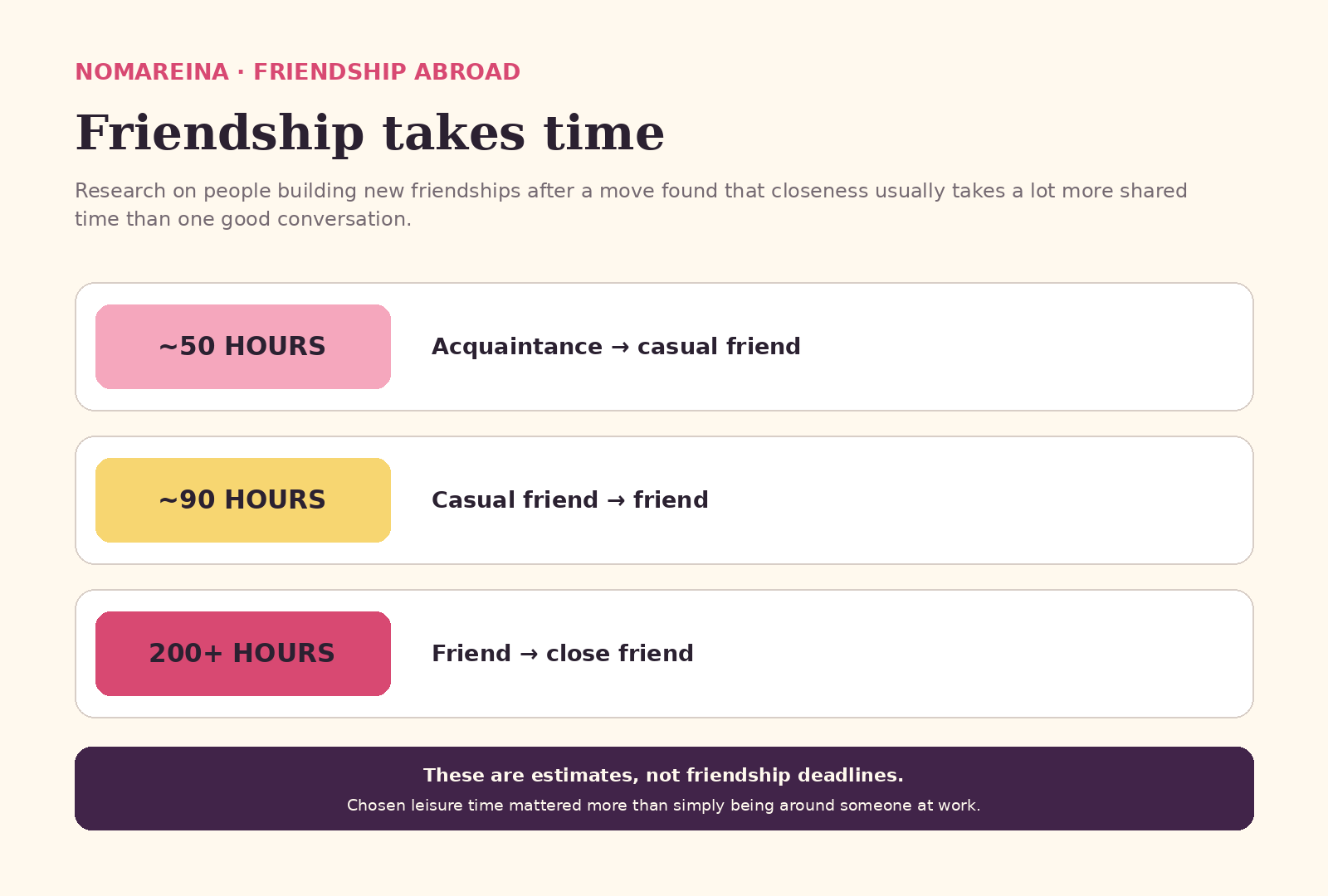
The useful part of the research is simpler:
closeness needs repeated time.
Friendship Abroad Can Form Ridiculously Fast Anyway
And now we arrive at the contradiction.
Backpacking friendship operates according to completely different physics.
You meet at a viewpoint in the morning.
Dinner happens that night.
By the next afternoon, apparently you are best friends and have plans involving ferries, islands, and accommodation nobody has properly researched.
Seven days later:
“Have an amazing life!”
Gone.
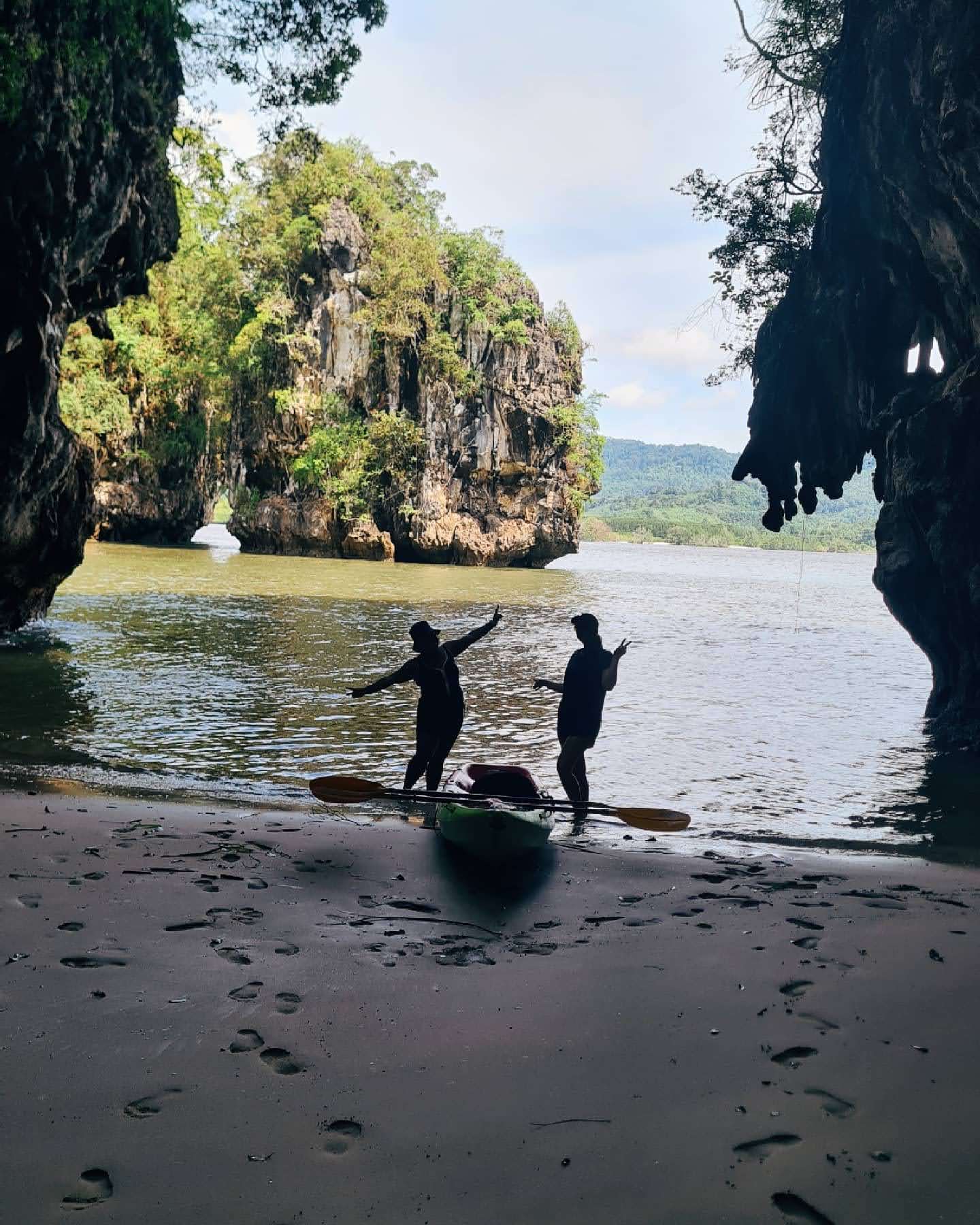
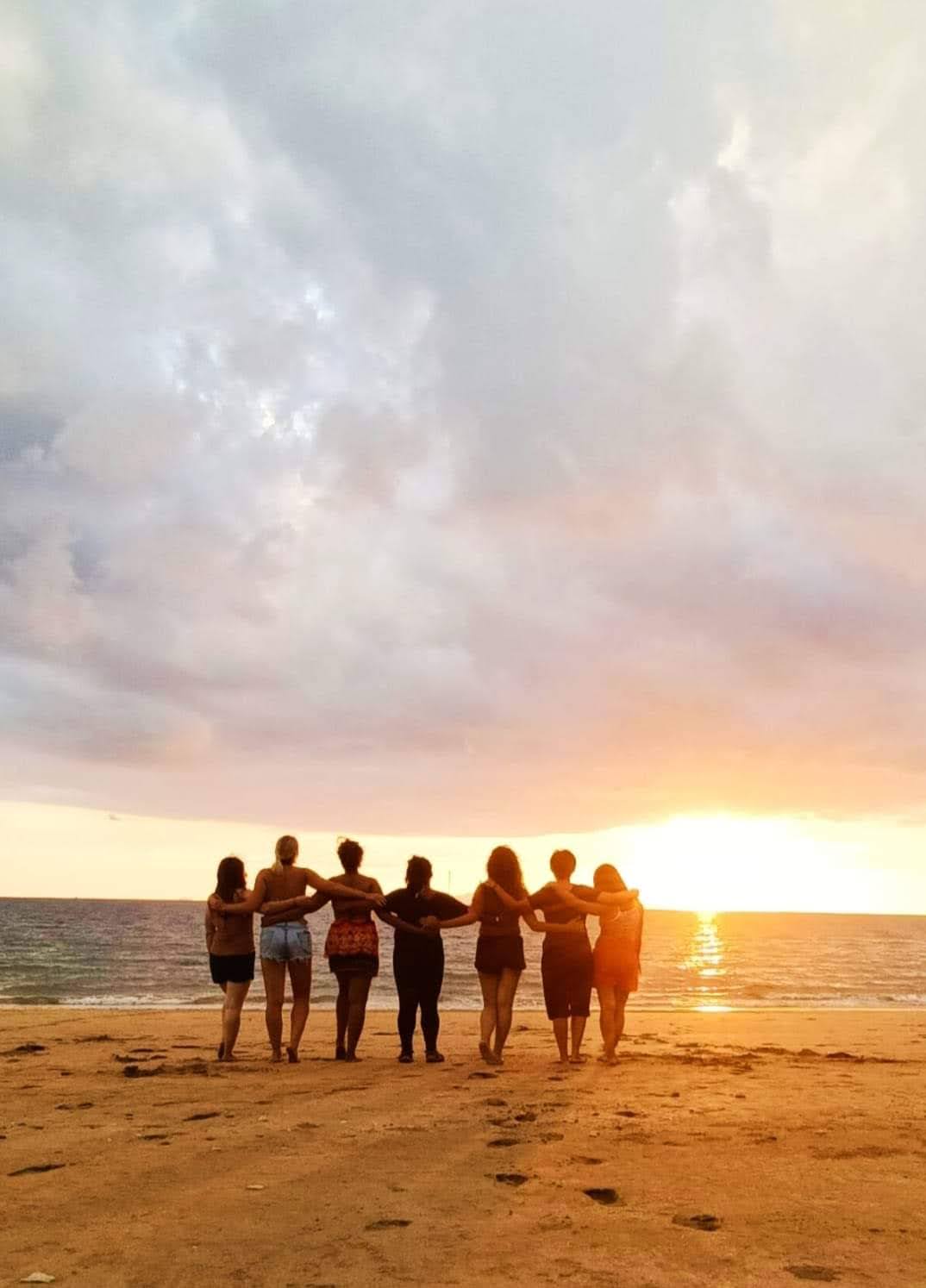
I have cared about people whose lives simply separated from mine.
No scandal. No betrayal. Somebody moved on and I stayed.
You can value what a friendship was without demanding that it become permanent.
Sometimes travel reveals real compatibility.
Sometimes you discover you do not particularly like each other.
You just both really like waterfalls.
Living Somewhere Requires a Different Kind of Friendship
Resident friendship is less cinematic.
Nobody is impressed that you bought groceries together.
But long-term friendship is built in a lot of boring moments.
You show up when something is inconvenient. You learn how somebody handles disappointment. You disagree. You repair.
Abroad, those disagreements can involve cultural expectations neither person realizes the other one does not share.
I learned to ask myself:
Is this person being difficult, or are we operating with different assumptions about how this interaction is supposed to work?
Sometimes the answer is still:
No. This person is absolutely being difficult.
Cultural sensitivity does not require surrendering common sense.
Work Can Introduce You. It Cannot Manufacture Friendship.
Working locally gave me something travelers rarely have:
routine.
In Isan, my Thai coworkers became central to my social life. I was new, my Thai was limited, and they actively tried to include me.
Later in southern Thailand, work played a much smaller social role.
Same country.
Same profession.
Different social environment.
| Work can give you... | Work cannot guarantee... |
|---|---|
| Repeated contact | Compatibility |
| Local introductions | Friendship |
| Shared routines | A social life outside work |
| Local knowledge | Healthy boundaries |
| A place in the community | That coworkers are your people |
And if a friendship with a coworker explodes spectacularly, congratulations:
you may still see them Monday morning.
Work is a good door into community. I would not make it the entire house.
That is one reason local work changed my experience of Thailand so much. I write more about the structure in How to Live Abroad Without Being a Digital Nomad.
The Expat Bubble Is Real, and I Understand Why People Stay Inside It
My feelings about the expat bubble are complicated.
I do find it disappointing when somebody lives somewhere for years while making almost no effort to know local people, learn the language, or participate in ordinary life outside the foreigner community.
At some point, the country risks becoming scenery.
At the same time:
I have also fallen into the bubble.
Because it is comfortable.
Same language. Similar references. Similar visa complaints.
Somebody already understands why immigration paperwork can ruin your Tuesday.
- cultural shorthand
- fewer language barriers
- shared immigration frustrations
- similar adjustment experiences
- understanding what it feels like to be foreign
- nearly every meaningful relationship is with another foreigner
- you make little effort with the language
- local people become background characters
- most of what you know comes through other expats
- familiarity becomes more important than engagement
The problem is not having expat friends. The problem is when familiarity becomes your only relationship with the place where you live.
Koh Phangan became Love Island meets Survivor
During COVID, social geography on Koh Phangan became extremely visible.
Little groups formed around where people lived: Ban Tai, Thong Nai Pan, Sri Thanu, Haad Rin.
It was Love Island meets Survivor, except nobody was winning £50,000 and everybody had immigration questions.
I ended up with the Ban Tai crowd because almost everybody I knew was nearby.
The person five minutes away becomes part of your week.
The person across a mountain and 45 minutes of effort becomes:
“We should hang out sometime!”
Geography matters.
Friendship needs opportunities to happen.
Making Local Friends Is Not an Achievement Badge
Speaking the local language helps.
My Thai is conversational.
Please do not invite me to give a televised policy speech.
But ordinary conversation?
Absolutely.
Language gives you jokes. Small talk becomes better talk. You stop requiring the other person to translate their entire personality for you.
Effort matters even when fluency is nowhere nearby.
But I dislike the opposite extreme too.
A local friend is not proof that you are culturally superior to other foreigners.
People are not integration trophies.
Your closest friend may be local, another foreigner, or somebody from a completely different country.
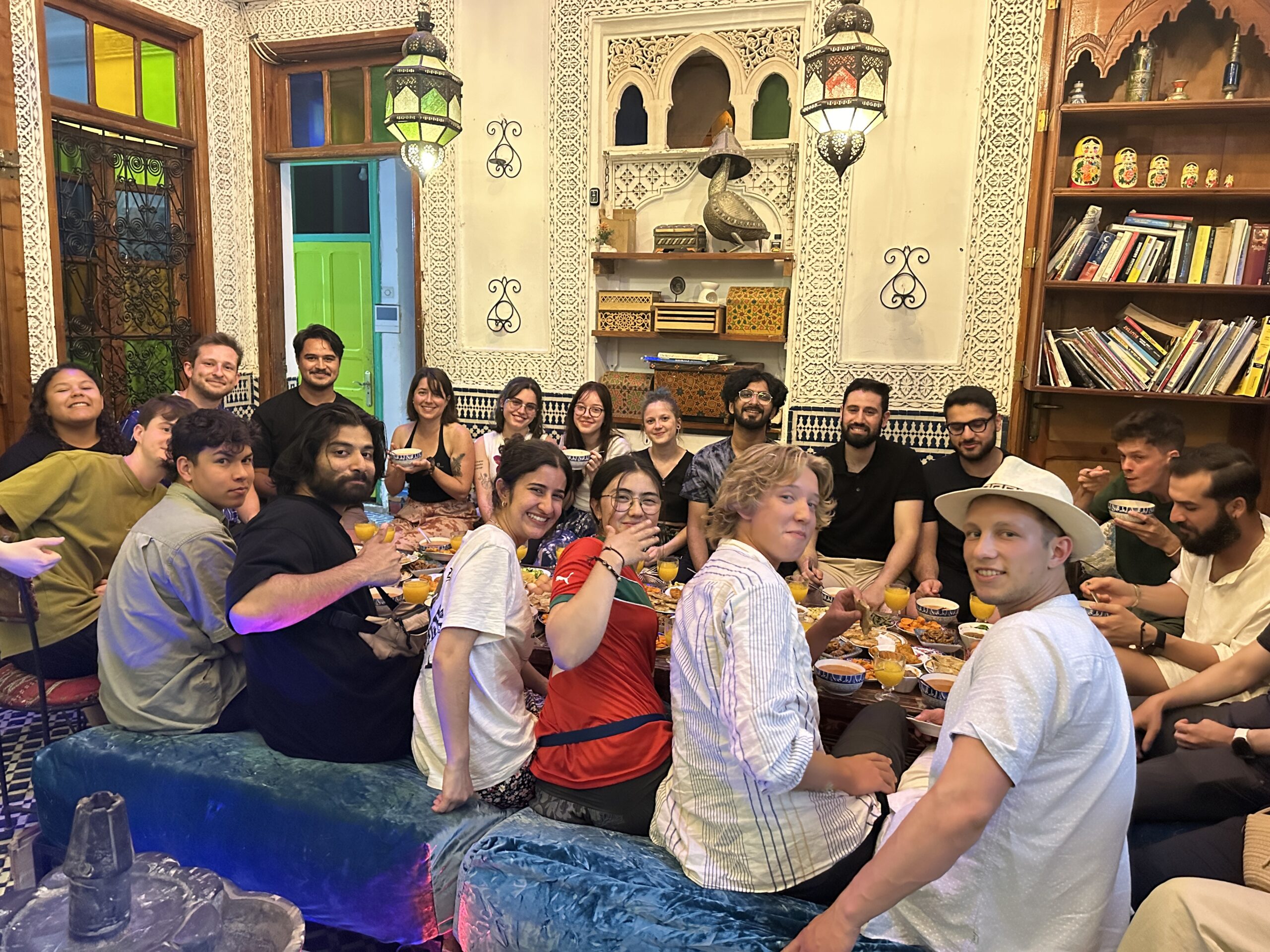
Friendship is not a United Nations seating chart.
Age, Race, Nationality, and Gender Can Change the Room
“Just put yourself out there” assumes everybody enters a social space the same way.
They do not.
I knew a woman in her 50s on Koh Phangan who struggled socially because many people around us were younger.
One night, I brought her to a bar and wandered away for maybe ten minutes to talk to someone else.
She became upset.
Initially, I felt bad that she thought I had abandoned her.
Then I thought about how the room probably felt from her side.
She already felt out of place. She entered a group where she was visibly in a different stage of life. The one person she knew disappeared.
Those ten minutes were not the same ten minutes for both of us.

Race and nationality can add another layer.
Not every awkward interaction I have had in a predominantly white foreigner space was racism.
Sometimes I was quiet. Sometimes people already had a group. Sometimes we simply did not click.
Other moments were harder to ignore.
Shortly after I started teaching in Krabi, someone told me he had assumed I was Filipino.
When I asked why, he eventually said:
“You don't look American.”
That told me something about what he imagined an American looked like.
It also felt alienating.
Identity is not always the explanation.
Pretending identity never affects social spaces is not especially useful either.
I write more about that side of my experience in Living in Thailand as a Woman of Color and Traveling While Biracial.
When Everybody Leaves, Friendship Starts to Feel Temporary
This was one of the hardest parts of living abroad for me.
People leave.
Contracts end. Transfers happen. Somebody falls in love. Somebody goes home. Somebody somehow becomes engaged in Italy.
And you are still there wondering:
Okay. When is it my turn?
Eventually, I started wanting to know how long newcomers planned to stay before investing too heavily.
Not because somebody staying six months could not matter.
Because repeating the friendship cycle becomes exhausting.
There were nights when I wondered whether I was simply the replaceable friend: important for one chapter, then left behind when somebody else's story moved forward.
That feeling got to me.
Now I see it differently.
I eventually became the person who left Thailand.
I still call and text the people there who matter.
Some friendships survive geography. Some do not. Both can have been real.
“Just Put Yourself Out There” Is Terrible Advice
I have been putting myself out there for years.
On boats. Mountains. Rivers. Beaches. Desert sand dunes.
The universe has still not rewarded me with 37 deeply committed best friends.
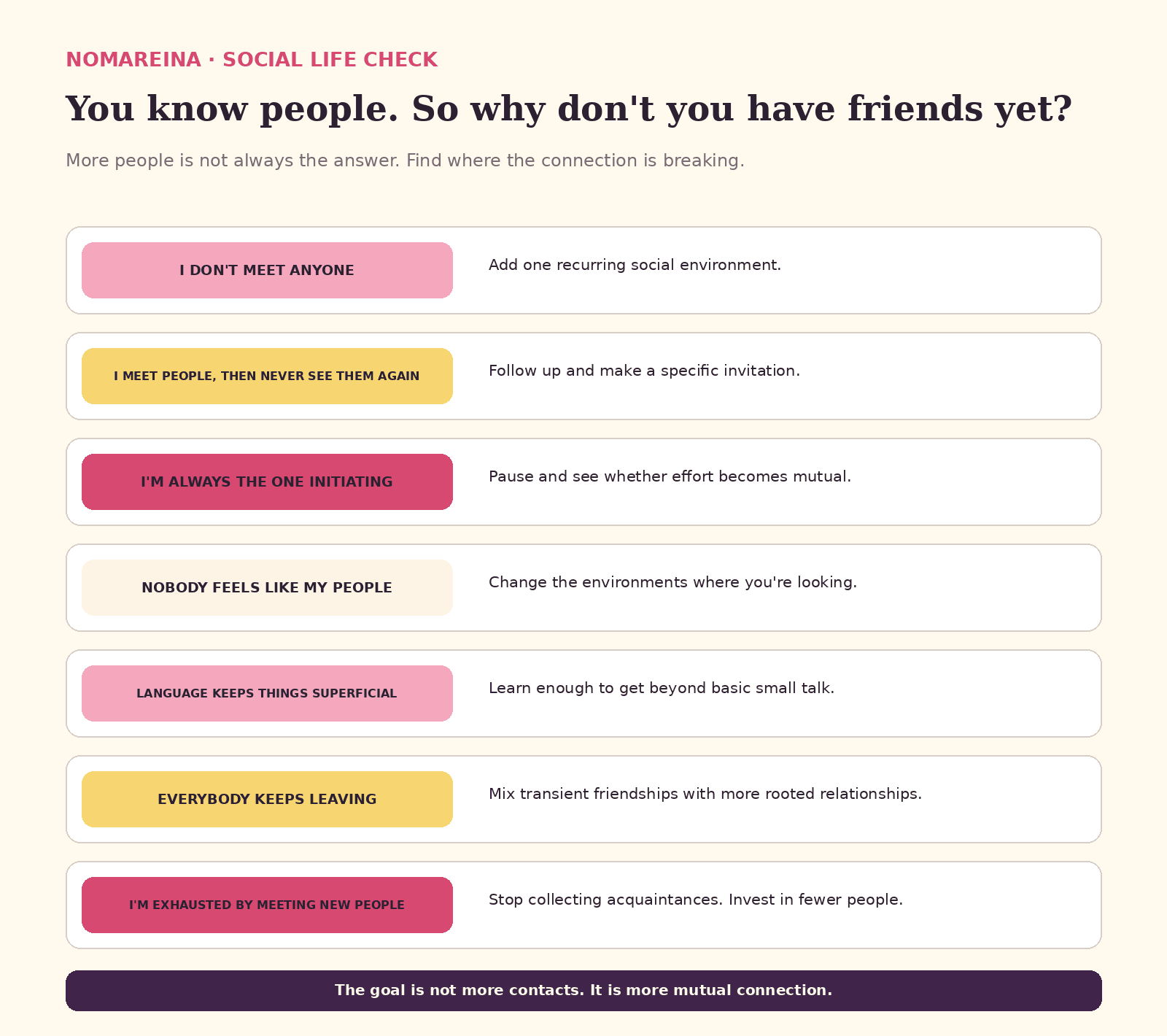
More exposure is not always the solution.
| If the problem is... | Try... |
|---|---|
| You rarely meet anyone | Add one recurring social environment. |
| You meet people but never see them again | Follow up with a specific invitation. |
| You are always initiating | Pause and see whether effort becomes mutual. |
| Nobody feels like your people | Change the environments where you are looking. |
| Language keeps things shallow | Learn enough to move beyond basic small talk. |
| Everybody keeps leaving | Invest in some more rooted relationships too. |
| One group excludes you | Try another group before judging the entire city. |
| You are socially exhausted | Stop collecting acquaintances and invest in fewer people. |
Do Meetup, Facebook Groups, and Friendship Apps Work Abroad?
Sometimes.
That is the deeply unsatisfying but accurate answer.
If an open-ended networking event sounds exhausting, a structured activity can be easier.
A class, walking group, language exchange, food event, hike, or small-group day trip gives everybody something to do besides stare at each other and manufacture small talk.
Go because you actually want to do the activity.
If you meet someone you like, that is a bonus.
I met a woman through Meetup in Bangkok years ago.
We still talk.
We still see each other.
That worked.
I have also met people through groups who disappeared immediately.
And then there was the cave trip.
I joined a Facebook-group outing in Krabi. Later, I saw one of the women again and we argued.
At one point she told me:
“You're lucky we even invited you.”
Later she tossed a bottle toward me and smiled while pretending it was accidental.
I remember the smile.
I also remember everybody standing there.
A group accepting your RSVP is not the same thing as that group becoming your community.
Apps solve the introduction problem.
Humans still have to handle everything after that.
Loneliness Abroad Does Not Automatically Mean You Made a Mistake
COVID was probably my loneliest period abroad.
Family was nowhere nearby. There was little to do. Foreignness felt much more visible during a global crisis.
I cried more than I would have admitted then.
The things that helped were sometimes almost insultingly small.
I would ask someone:
“Can you meet me for a one-hour walk?”
That was it.
Walk around a park. Talk. Go home.
Sometimes an hour was enough to stop the day from feeling endless.
Loneliness can also be information.
I have liked places objectively and still thought:
I could not build a life here.
Sometimes ordinary life simply did not fit me.
A place can be wonderful and wrong for you.
Your Friendships Back Home Change Too
Nobody tells you that building a life abroad can weaken parts of the life you left.
I have friendships going back around 15 years.
I spent roughly seven of those years abroad.
That is a lot of life to miss.
Birthdays. Relationships. Jobs. Arguments. Family changes. The boring days that actually make up most friendship.
I still care about people I am no longer nearly as close to.
Sometimes I feel guilty about that.
Then I consider the alternative.
The alternative was staying somewhere I did not want to be because I was afraid leaving would change things.
Things changed anyway.
Distance costs something.
So does staying.
Living Abroad, Backpacking, and Digital-Nomad Friendship Are Not the Same
I have done all three.
The social rhythm changes.
| Living abroad | Backpacking | Digital nomad life | |
|---|---|---|---|
| Pace | Slower | Extremely fast | Often repeated resets |
| Repetition | High | Low | Depends how long you stay |
| Routine | Strong | Minimal | Variable |
| Friendships | Time to deepen | Can become intense immediately | Often broad before deep |
| Main challenge | Maintenance | Impermanence | Social exhaustion |
| What worked for me | Routine + depth | Shared adventures | Slower bases |
After roughly two years of backpacking, I became tired of introducing myself.
My name. My country. Where I had been. Where I was going.
Again.
And again.
I prefer depth now.
Depth needs time.
If You Have Been Abroad for Three Months and Still Have No Close Friends
Three months can feel like forever when you are lonely.
It is not necessarily a long time for adult friendship.
If you know people but still do not feel connected, ask:
- Am I meeting people I genuinely like?
- Do I ever initiate?
- Am I the only person initiating?
- Am I socializing in places I actually enjoy?
- Could expectations around invitations or communication be different?
- Am I surrounded by people in another life stage?
- Is everybody planning to leave soon?
- Is language keeping conversations superficial?
- Would another neighborhood, group, or activity suit me better?
Give it time.
But do not confuse patience with passivity.
You can wait while also changing the conditions.
Try This for the Next 30 Days
Do not make the goal “make five friends.”
Friendship is not a quarterly KPI.
Give a few relationships somewhere to go instead.
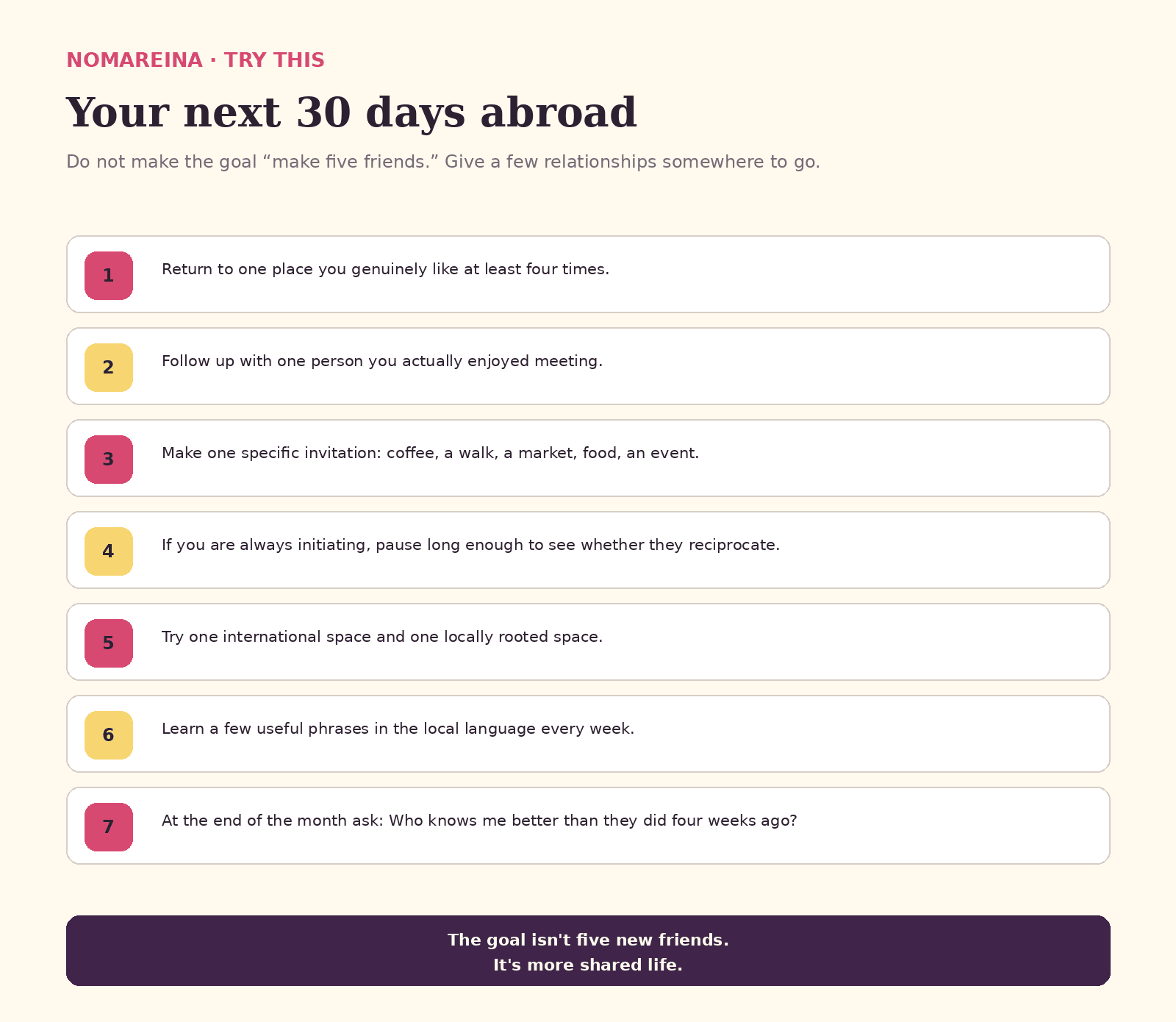
Not five. One place you genuinely like enough to return to.
If you enjoyed somebody, invite them to something specific.
Who remembers you, initiates, or makes room?
If nothing is clicking, change where you are looking rather than deciding you are the problem.
You Know You Are Building a Life When Somebody Knows Your Order
Eventually, if you stay somewhere long enough, something small happens.
You walk into a market.
The woman behind the stall sees you.
She recognizes you.
Before you finish asking, she already knows what you want.
Nothing dramatic happened.
You did not become “a local.”
Nobody handed you an integration certificate.
You simply stopped being completely anonymous in your own daily life.
For me, that matters more than how many people are in the group photo.
You know you have started building a life somewhere when somebody notices that you came back.
Making Friends After Moving Abroad FAQ
How can an introvert make friends after moving abroad?
You do not need to become the loudest person in the room. Choose recurring environments you genuinely enjoy, focus on fewer people, follow up when you connect, and give those relationships repeated time together.
How long does it take to make friends after moving abroad?
There is no universal deadline. Friendship research suggests that developing closeness generally requires dozens to hundreds of hours together, depending on the level of friendship.
Is it normal to mostly have expat friends?
Yes. Familiarity, shared language, and common adjustment experiences naturally pull people together. I would only question it if your foreigner circle becomes your entire relationship with the country.
How do I make local friends if I do not speak the language well?
Start with effort rather than perfection. Learn useful phrases, return to the same places, and participate in activities where conversation already has context.
What if I have lived abroad for months and still feel lonely?
Loneliness does not automatically mean the move was a mistake. Look at where the disconnect is happening: compatibility, reciprocity, language, lifestyle, location, age, social environment, or simply time.
Join the conversation
What actually helped you make friends abroad?
Was it work, a language class, the same café every week, an app, a neighbor, or one completely random person? Tell me what worked, what absolutely did not, or what still feels hard. See the Policies & Disclaimers.