
I left the United States when I was 22.
Four years passed before I came back even to visit.
Some of that was because of COVID-19. Thailand was the place I was calling home by then, and during the pandemic, leaving came with a very real question:
What if I can't get back in?
I had already watched something similar happen to someone I knew.
A friend who had been teaching in China came to Thailand around Chinese New Year with a backpack and her purse. She expected to stay for two weeks and go home.
Then borders closed.
She couldn't return to China for a long time. In the process, she lost her apartment, her job, and even her cat. Friends were able to put some of her belongings into storage so she could get them later.
And Thailand's own entry rules kept changing. In 2020, points of entry were closed to most travelers and many flights were temporarily banned. Later, returning could mean advance approval, testing, insurance, and hotel quarantine. By late 2021, some fully vaccinated travelers could get a seven-day quarantine instead of 14 days.
The details changed over time, but that was exactly the problem.
Leaving did not automatically mean I would be able to come back.
So even when travel became technically possible, I was hesitant to roll the dice.
Eventually, though, I went home.
And coming back was much stranger than I expected.
There is a name for at least part of this: reverse culture shock, also called re-entry shock or re-entry stress.
It is the adjustment that can happen when you return to a culture that is supposed to be familiar and discover that familiarity does not mean everything still fits the way it used to.
A 2024 systematic review of 55 studies found re-entry stress across many groups of people returning home after time abroad. The researchers also found that studies measure the experience in very different ways, and there is not one universal pattern or timeline.
That feels much closer to my experience than pretending there is a neat stage-by-stage process everyone goes through.
Why Can Moving Back Home After Living Abroad Feel So Strange?
Because home did not pause while you were away, and neither did you. Reverse culture shock, or re-entry shock, can show up in relationships, routines, prices, technology, language, and even basic skills that once felt automatic.
For me, returning to the U.S. was not exactly starting over and it was not picking up where I left off. It was something in between.
1. Coming home can feel more disorienting than leaving
When I first saw my family again, they felt like strangers.
I knew who they were.
They knew who I was.
But they looked different.
Older.
My much younger brother was suddenly close to being a teenager. He had been a little kid when I left.
They stood there staring at me.
I stood there staring at them.
There was this awkward moment where none of us seemed entirely sure whether we were supposed to hug, make small talk, or just acknowledge that several years had somehow disappeared between us.
For a lot of people, this will never happen.
You'll go abroad for a year and come home for Christmas.
You'll visit every summer.
You'll still know which restaurant closed and which cousin got married.
That wasn't my experience.
So much had changed.
I went grocery shopping with my family and kept noticing prices.
Wait. This used to be $3.50. Why is it $5.50 now?
When did they stop selling this?
What is that?
When did this change?
Chinese takeaway was another one.
Before I left, feeding three people might cost $20 or $30.
When I came back, it was closer to $50.
Fifty dollars? For Chinese takeaway?
That used to be what I expected to spend at a sit-down restaurant.
My mental pricing system was years out of date. In 2018, I never would have willingly paid $50 for Chinese takeaway.
Yet in 2026, here I am.
It wasn't only that prices had risen. It was realizing that my internal reference point for how much normal American life was "supposed" to cost had been frozen somewhere around the year I left.
I went into the local Walmart, somewhere I had visited countless times as a teenager, and remember thinking it looked like the apocalypse had happened while I was gone.
The lighting felt darker.
The floors looked more worn.
Everyone seemed irritated.
Had it always felt like this?
I honestly couldn't remember.
It wasn't really about Walmart.
Things that had once been so ordinary I barely registered them now felt unfamiliar.
It was home, but it was not home.
And I had changed too.
In Thailand, I was used to walking alone at night.
I was comfortable leaving my bag somewhere for a moment.
Unlocked doors did not occupy much space in my brain.
Of course bad things can happen anywhere, but I felt safe in the communities where I lived.
Coming back to the U.S., I had to relearn a level of caution I had almost forgotten.
Oh, right. Don't walk there at night.
Check the car doors.
Don't leave your purse unattended.
Pay attention to who's behind you.
I had forgotten how to be a woman in the United States.
That contrast is part of what I have written about inLiving in Thailand as a Woman of Color. Living somewhere long enough changes which parts of daily life you notice and which ones eventually stop feeling remarkable.
Freedom felt different too.
In Thailand, I could get on my motorbike, put a few dollars of petrol in it, and go.
At 2 a.m., there might still be somebody making noodles on the side of the road.
I could wander into 7-Eleven at 1 a.m., get coffee or a toastie, leave, come back later, and nobody cared.
Back home, I wasn't exactly eager to hang around the local gas station at 1 a.m.
I might find something lurking in a dark corner.
It probably wasn't going to be a friendly noodle lady.
My routines no longer fit.
Neither did my transportation.
In the U.S., cars are king.
I didn't have one.
More importantly, after years of motorbikes and public transportation, I didn't even feel particularly comfortable driving anymore.
These were incredibly basic things.
Things I had once done without thinking.
Now I was standing there thinking:
Oh. Right. This is how people do this here.
This was home, I was told.
It didn't feel like it.
2. You missed a lot more than you realized
Some of what I missed was much less serious.
American culture had simply continued without me.
Who was Epstein?
What exactly had happened?
There had been a huge accident in town?
I didn't know.
Some enormous political scandal?
Missed that too.
There was a new celebrity or influencer everyone knew?
Who?
What is the manosphere?
Who is Andrew Tate and why does everyone have an opinion about him?
Why is everybody suddenly "protecting their peace"?
Protecting it from what?
Why did your friend of seven years annoy you once and now you're going "no contact"?
What does "as he should" mean?
People don't say YOLO anymore?
LOL is cringe now?
And apparently the different colored heart emojis have distinct meanings now.
When did we vote on this?
I had questions.
I had absorbed years of Thai internet culture while missing huge pieces of American internet culture.
Some differences went deeper than slang.
Returning to the U.S., I noticed individualism much more than I did before I left.
People had always told me American culture was individualistic.
I knew that academically.
I don't think I really saw it until I had lived differently.
Suddenly phrases like "protect your peace" stood out to me because I was hearing them through a different cultural filter.
That doesn't mean the phrase is bad.
Sometimes people absolutely do need boundaries.
I was just noticing things I probably wouldn't have noticed before.
When I lived in Thailand, the U.S. could feel strangely far away.
Thailand was about twelve hours ahead of my family.
My nights were their days.
They were literally living a day behind me.
We were in the same world, but sometimes it did not feel like we were living in the same time.
Eventually, that distance showed up in little ways.
Even English felt strange sometimes.
Obviously, I still have an American accent.
That's not going anywhere.
But I'd catch on words.
How do I spell that again?
What's the word I'm looking for?
I had spoken English the whole time I lived abroad, but not always in the same way or at the same level.
Sometimes certain words come out with a Thai pronunciation.
Sometimes Spanish sneaks in.
People occasionally think I'm joking.
I'm not.
My brain just filed the word somewhere different.
3. Your family remembers a version of you that no longer exists
People missed a lot of my life.
I missed a lot of theirs.
I am sometimes told that I became much more extroverted abroad.
I understand why people think that.
From their perspective, they saw one version of me, several years passed, and then another version showed up.
It probably does look dramatic.
From my perspective, nothing happened overnight.
I changed slowly.
You just missed the middle.
That's one of the strange things about returning home after being gone for a long time.
Someone may intellectually understand that ten years passed.
But emotionally, they still remember you at 20.
They remember the hair you wore.
The music you liked.
The people you dated.
The opinions you had.
The makeup you did.
The things you thought were important.
I have a friend from my hometown who still brings up things I did in high school and my early twenties.
To me, those stories feel ancient.
I haven't worn my hair that way in nearly a decade.
I don't do my makeup like that anymore.
Some of the values I had then aren't mine anymore.
I am not 20.
That seems extremely obvious to me.
But she missed years of updates.
So sometimes I can feel like my old version when I'm around her.
This is part of why friendships after years away can feel strange in their own way. I wrote more about how relationships change when people live different lives inHow to Make Friends After Moving Abroad When You Don't Know Anyone.
Families can do this too.
You come home and suddenly notice your parent's hair has gone grey.
When did that happen?
Then you remember:
Oh.
You weren't here.
There's a story in my family about my grandfather as a child.
His father went away to WWII for years.
For much of that time, his father was basically a photograph.
Then one day the man came home.
Same father.
Different from the picture.
Older. Changed by everything that had happened while he was gone.
My grandfather initially rejected him.
That wasn't his dad.
His dad was the picture.
A child will say something out loud that adults usually won't.
But I think there is something recognizable in it.
Sometimes somebody comes back and you know perfectly well who they are.
You just haven't caught up with who they became.
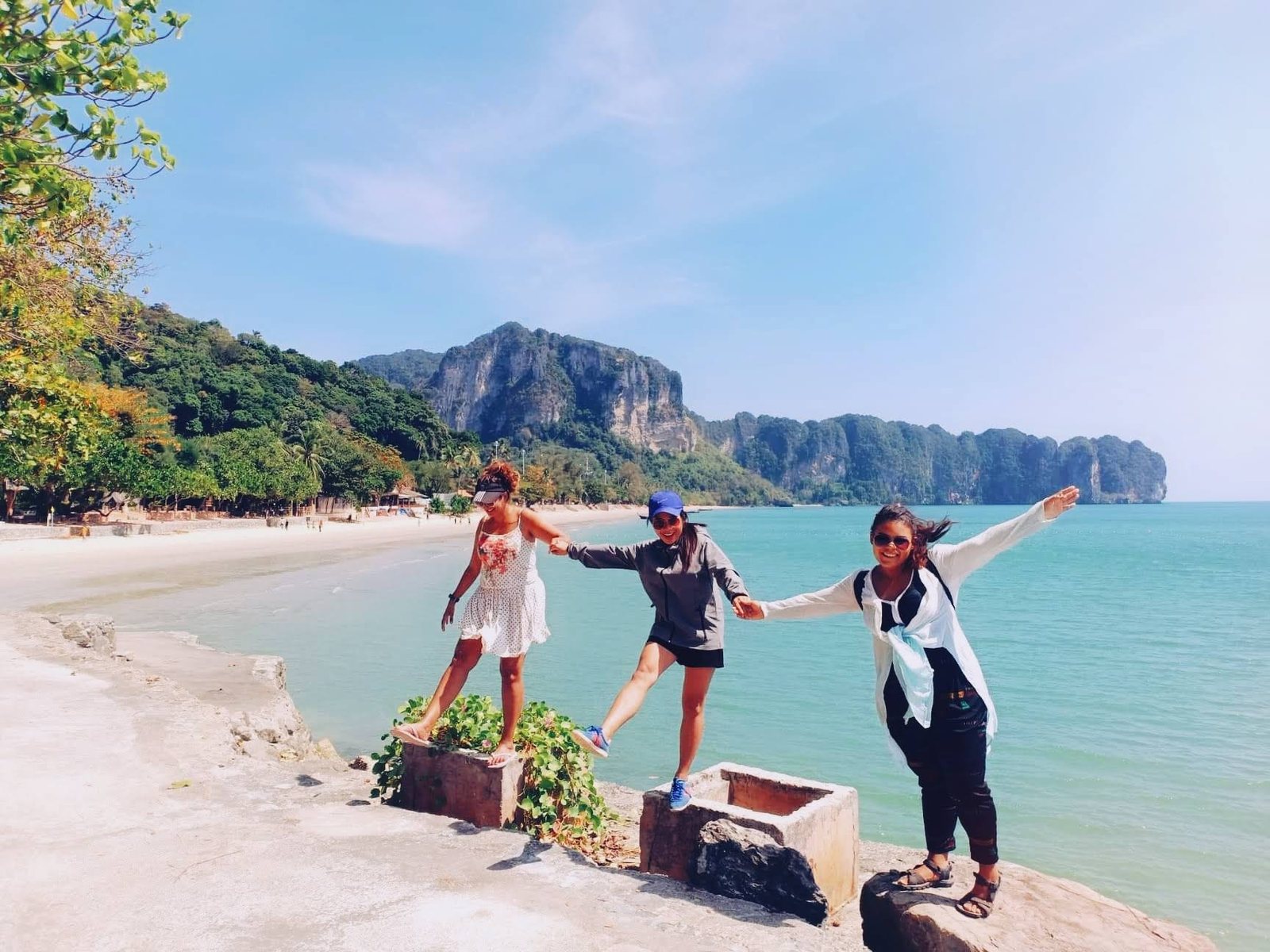
4. Distance edits your memory
Something else strange happens once you've been away from a place long enough.
The things that annoyed you start getting fuzzy.
When you're living somewhere, every inconvenience has the ability to irritate you in real time.
You're standing in it.
You're dealing with it.
You remember exactly why you're mad.
Once you leave, everything starts getting compressed into one larger memory.
The irritating parts mix with the good parts.
Eventually, you remember the whole thing differently.
I noticed this going in both directions.
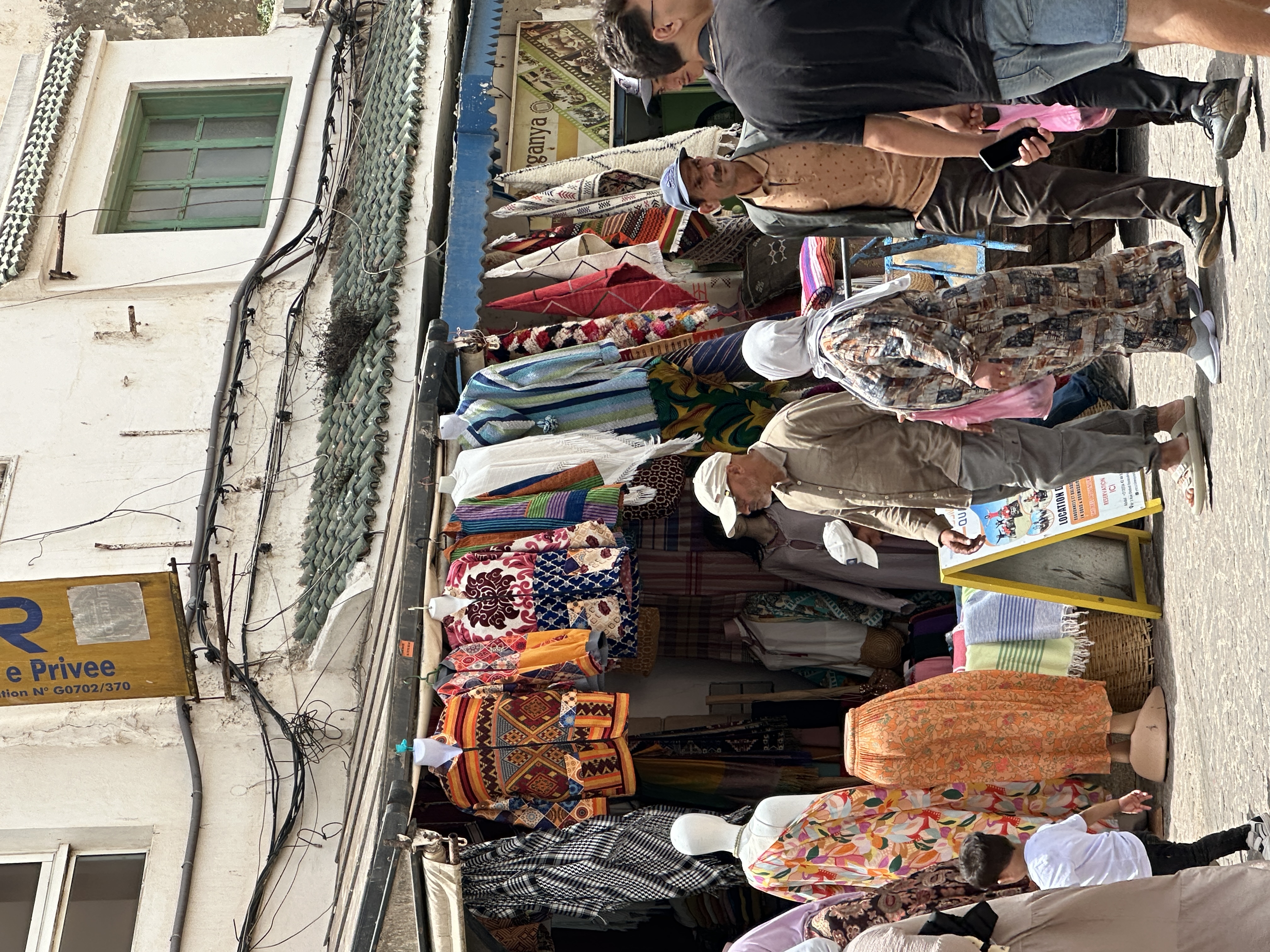
I hated how dependent I was on online shopping in the United States.
Then I lived in Morocco and suddenly thought:
You know what would be incredible right now? Amazon.
There were days when I could spend hours walking through markets looking for something extremely specific and still not find it.
At that point, having the thing appear at my door in two days sounded magical.
Then I returned to the U.S. and started missing things from abroad that had once annoyed me.
That's how nostalgia works sometimes.
It has an editing department.
5. Your skills don't always translate back home
This was one of the weirdest parts.
Cars gave me one of my first reminders.
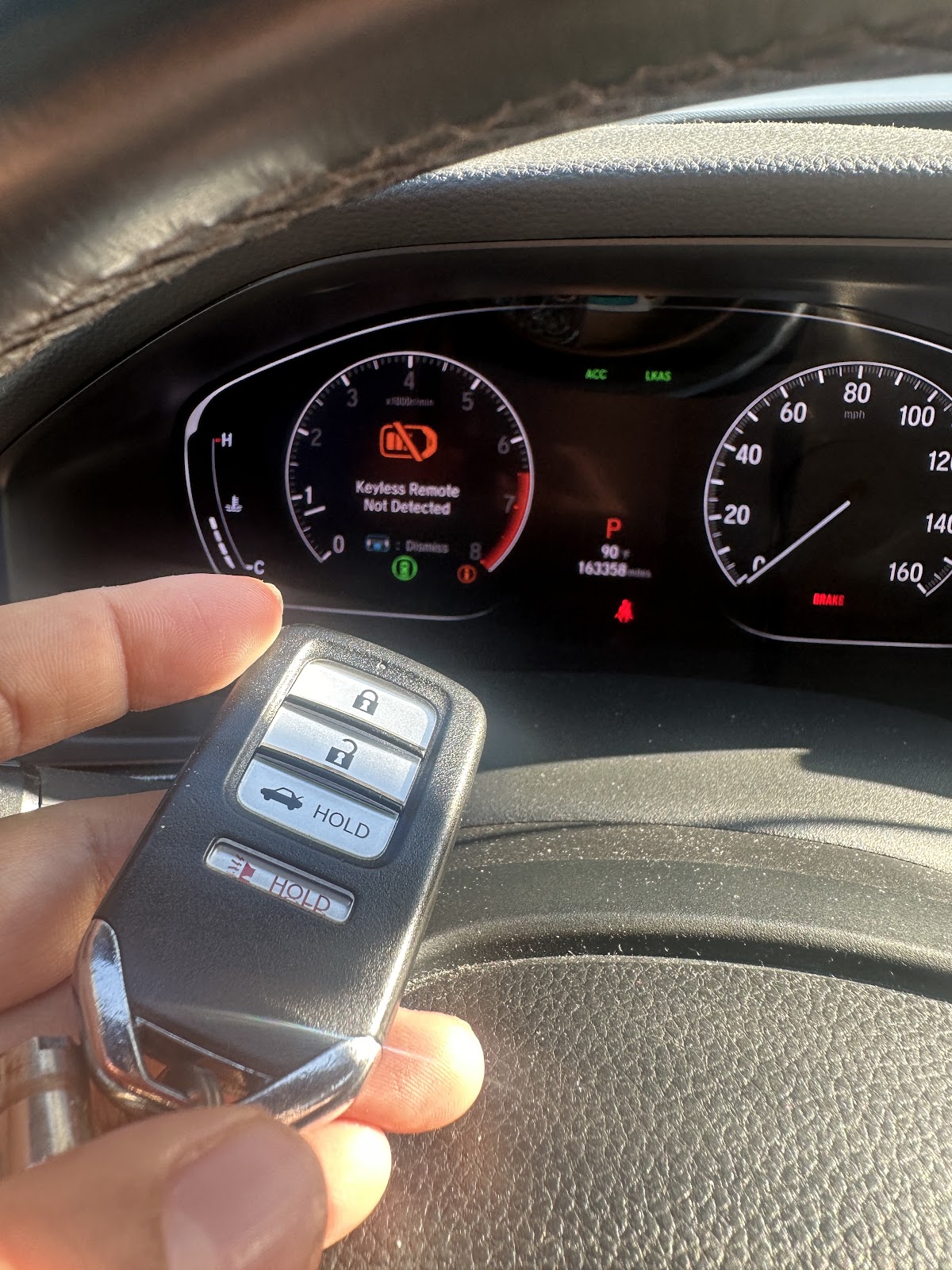
Before I left in 2018, the cars I was around still started with a key. You put it in the ignition, turned it, and the car started.
That was normal to me.
Then I came back and somebody handed me a key fob.
Where is the key?
Apparently, there wasn't one.
You just kept the remote somewhere in the car and pressed a button.
At one point I was sitting there with the fob in my hand while the dashboard told me "Keyless Remote Not Detected," trying to figure out what exactly this little plastic rectangle wanted from me.
Nobody else thought this was particularly interesting.
Of course they didn't.
They had been here while cars gradually changed.
I hadn't.
The gas station was another one.
After years of motorbikes and public transportation, I hadn't pumped my own gas in so long that I briefly forgot how.
In Thailand, someone at the station did it for me.
One of my friends also made fun of me because I had to read the directions on a box of Kraft Mac & Cheese.
I genuinely did not remember how to make it.
I had barely eaten anything that came out of a box for years.
So there I was, standing in an American kitchen reading:
Boil water. Add pasta. Drain. Add the cheese packet.
My friend thought this was hilarious.
And honestly, from her perspective, it probably was.
What made it funny to me was that I could make bread by hand.
In Morocco, I had started learning how people pressed oil so I could eventually make my own argan oil.
I had learned how to navigate transportation systems, immigration offices, hospitals, markets, and daily life in places where I was the foreigner.
But Kraft Mac & Cheese?
Apparently I needed instructions.
I didn't come back less capable.
My skills had just become useful in different places.
6. Being from somewhere doesn't automatically make you feel at home there
Your passport can say you belong somewhere before you actually feel like you do.
I was American.
Obviously.
I hadn't stopped being American because I lived somewhere else.
But I was returning to a version of the country I hadn't participated in for years.
People had new routines.
New references.
New concerns.
The country had changed.
I had changed.
And everyone else had been changing too.
This is probably the part of returning home that surprised me most.
I assumed familiarity would make everything easier.
Instead, familiarity made the differences more obvious.
When you arrive somewhere completely new, you expect not to know things.
When you return home, you expect to know.
So every moment when you don't feels stranger.

7. Coming home does not mean living abroad failed
I think people sometimes treat returning home like the adventure ended badly.
You left.
You tried something.
Now you're back.
So something must have gone wrong.
I don't see it that way.
Some places belong to a particular period of your life.
Some people do too.
A chapter ending doesn't suddenly make the entire book bad.
Thailand was part of my life for years.
The fact that I eventually left does not erase what happened there.
It doesn't erase the friends.
The work.
The language.
The routines.
The person I became while I was there.
For me, teaching was part of what allowed Thailand to become ordinary life instead of simply a long trip. I wrote about that inHow Teaching in Thailand Made Travel Possible Without a Remote Job.
Something can be temporary and still be important.
That is also part of why I don't think changing course in your 30s automatically means you made the wrong choice before. I explore that more inMoving Abroad in Your 30s.
8. You are rebuilding a life, not resuming the old one
When I came back, there was no version of my old life sitting there untouched waiting for me.
There couldn't be.
There is no way to bring back 2018 me.
There is no way to bring back 2018 America either.
My friends changed.
My family changed.
The town changed.
I changed.
Some things were familiar enough that I knew exactly where I was.
Other things made me feel like I had missed a software update.
That has probably been the best description of coming back for me.
Not starting completely over.
Not picking up exactly where I left off either.
Something in between.
9. What you bring home isn't always dramatic
I came home with experiences, some Thai, better Spanish, different habits, new foods I knew how to cook, friendships scattered around the world, and a much larger collection of comparisons in my head.
Some of those changes are obvious.
Most aren't.
Sometimes it is just knowing there are ten different ways people could organize the same part of daily life.
Sometimes it's being less intimidated when I don't immediately understand how something works.
I've had plenty of practice being the person who doesn't know.
And people back home had their own lives while I was gone.
My friends didn't sit frozen in 2018 waiting for me.
They got jobs.
Changed relationships.
Made new friends.
Moved.
Had children.
Changed their minds.
Some relationships picked back up easily.
Others didn't.
That's normal too.
You're not in a movie.
Everyone is the main character in their own life.
Sometimes they needed to go on side quests while you were on yours.
I still call the United States home.
Some days it feels completely ordinary again.
Other times something catches me off guard.
A price.
A phrase.
A road I remember differently.
A person talking about something that apparently everybody else knows.
Or I'll miss something incredibly specific from Thailand, like getting noodles late at night, and realize I haven't thought about it in months.
I don't think returning home has one clean ending.
At least mine hasn't.
The unfamiliar parts slowly become familiar again.
Some of the things I missed stop feeling special.
Some of the things I thought I had forgotten come back.
And every once in a while, I still encounter something that makes me think:
When did this happen?
That's probably the closest description I have for moving back home after living abroad.
You know where you are.
You just have a lot of catching up to do.
FAQ: Moving Back Home After Living Abroad
What is reverse culture shock?
Reverse culture shock, or re-entry shock, is the adjustment that can happen after returning to your home culture after time abroad. The place may still be familiar, but you, the people around you, and everyday life may have changed while you were away.
Why does home feel strange after living abroad?
Part of the strange feeling can come from a mismatch between the version of home you remember and the version you return to. Prices, technology, slang, relationships, routines, and local culture keep changing while you are gone. Your own habits and expectations may change too.
How long does reverse culture shock last?
There is no single timeline. In my experience, some things became normal again quickly. Other tiny moments can still catch me off guard.
Is it normal to miss living abroad after moving home?
Missing parts of the life you had abroad does not automatically mean moving home was the wrong choice. You can miss a place, a routine, a friendship, or a version of your life without necessarily wanting every part of it back.
Join the conversation
What felt different when you came home?
If you have returned home after living abroad, what caught you off guard: people, prices, routines, culture, or something much smaller? See the Policies & Disclaimers.