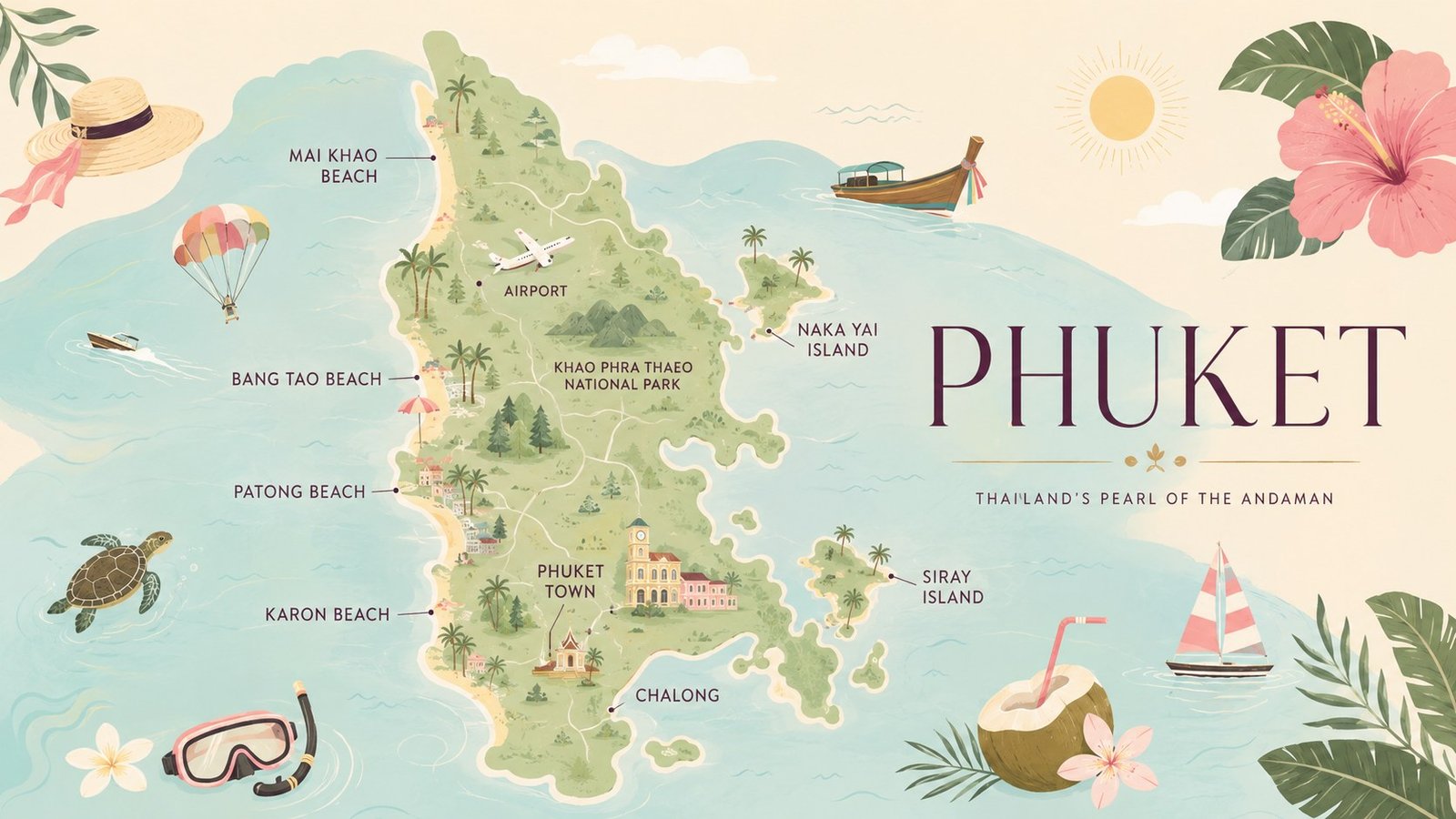
Originally published in 2019, rebuilt in 2026: My first version of this article was written after seeing a very small part of Phuket and deciding I understood the whole island. I still agree with some of what I wrote. I just know now that I was judging Phuket through Patong.
The first time I went to Phuket, I had more confidence than money.
Literally.
I was backpacking around Thailand for two weeks in 2018, and at some point my bank account reached $0.00.
Not metaphorically broke. Not "I should probably stop ordering cocktails" broke.
Zero.
I was so desperate, and too embarrassed to admit how badly I had budgeted, that I told my parents I had lost my wallet so they would send me emergency money.
I do not recommend this financial strategy.
Years later, when an unexpected immigration problem at the Poipet border left me stranded in Cambodia with almost no money, I would get another lesson in what travel feels like when there is very little cushion between "this is funny" and "this is a genuine problem." I tell that story in my Poipet visa-run essay.
But back in 2018, Phuket was one stop on a fast trip around Thailand.
And I stayed in Patong.
Only Patong.
That was my first mistake.
I Thought Phuket Was Artificial, Overpriced and Overrated
I did have fun.
I met other backpackers. I went out. I spent money I clearly did not have. Then I wrote an article basically telling other travelers that Phuket was not the dream vacation they thought it was.
The original version was very 23-year-old me.
I complained about Patong's beaches, prices, tourism industry, crowds and the feeling that everything around me had been arranged for foreign visitors. I told people there were better islands.
I even felt sorry for a Russian couple I met who had come all the way to Thailand and were spending their entire vacation in Phuket.
Nearly eight years later, that part makes me laugh.
Not because I think I was completely wrong.
Because I knew far less than I thought I did.
I had spent a few days in one of the most aggressively tourist-oriented parts of a very large island and decided I understood Phuket. I understood Patong.
Phuket Is Not Patong
This sounds embarrassingly obvious now.
Phuket changes dramatically depending on where you are.
Patong is one world. Kata is another. Phuket Town is another. The residential areas are another. The far north of the island feels different again.
There are places built around foreign visitors and places where people are simply going to work, buying dinner, taking their children somewhere, shopping at markets and living ordinary lives.
The tourists generally do not follow them there.
I Actually Went Back to Patong Anyway
Apparently, one bad experience was not enough for me.
In September 2019, I came back to Phuket from Krabi by bus. This time I arrived in Phuket Town first.
And immediately, the island looked different.
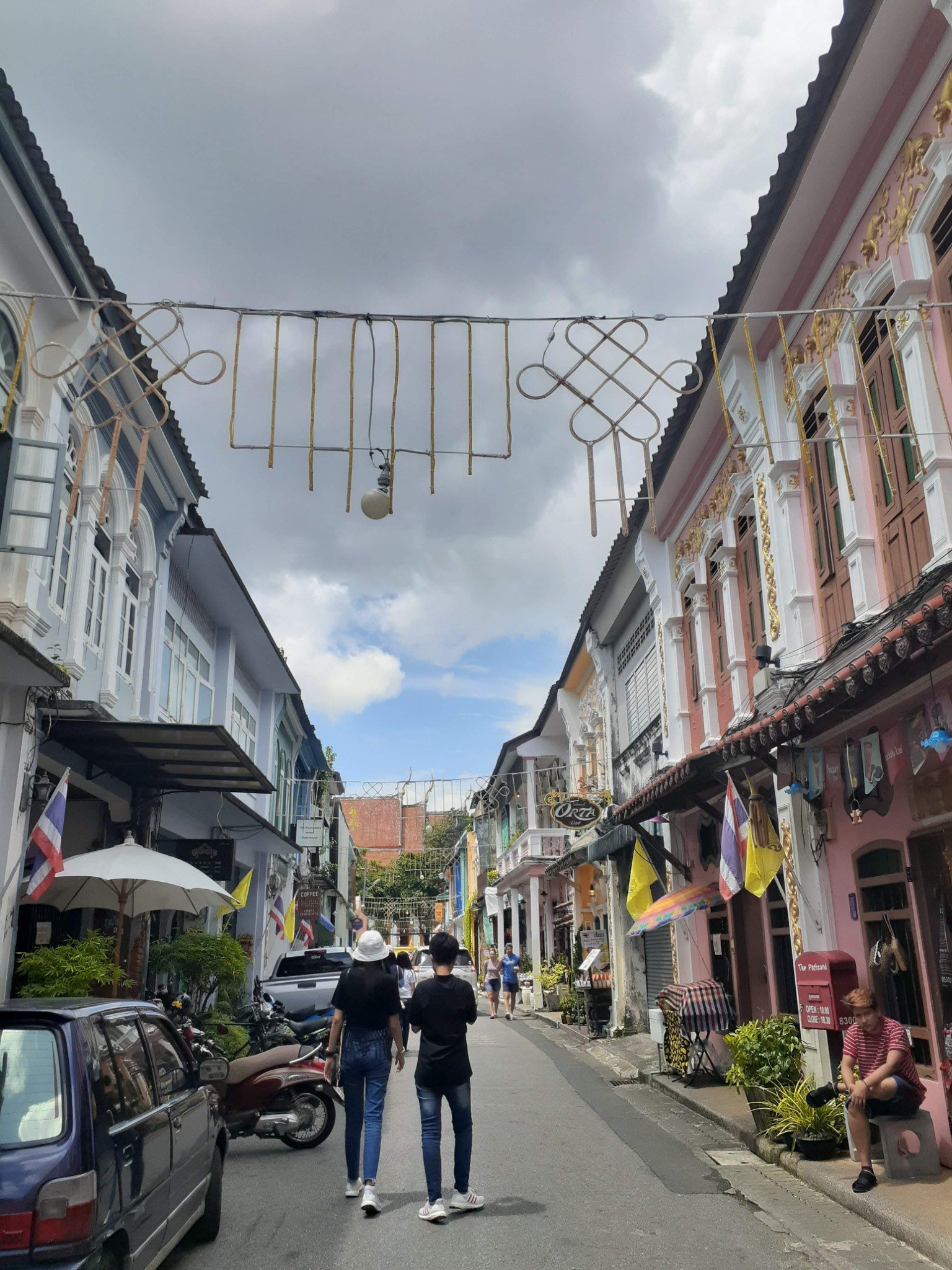
There were colorful Sino-Portuguese shophouses, small markets, people making things by hand, local businesses, scooters, coffee shops and streets that did not feel built entirely around moving a foreign visitor from a hotel to a beach to a bar.
This was the Phuket I had missed the first time.
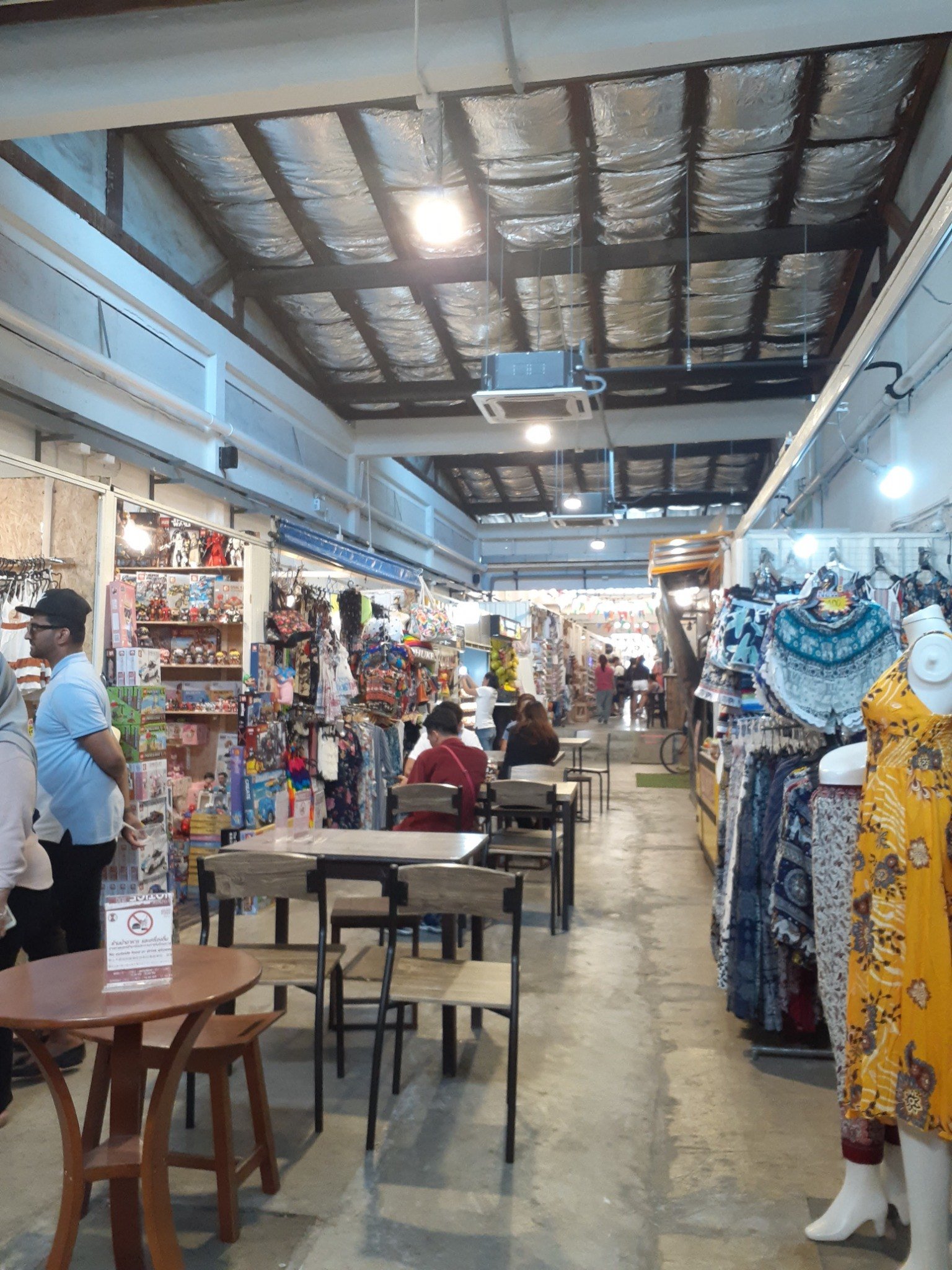
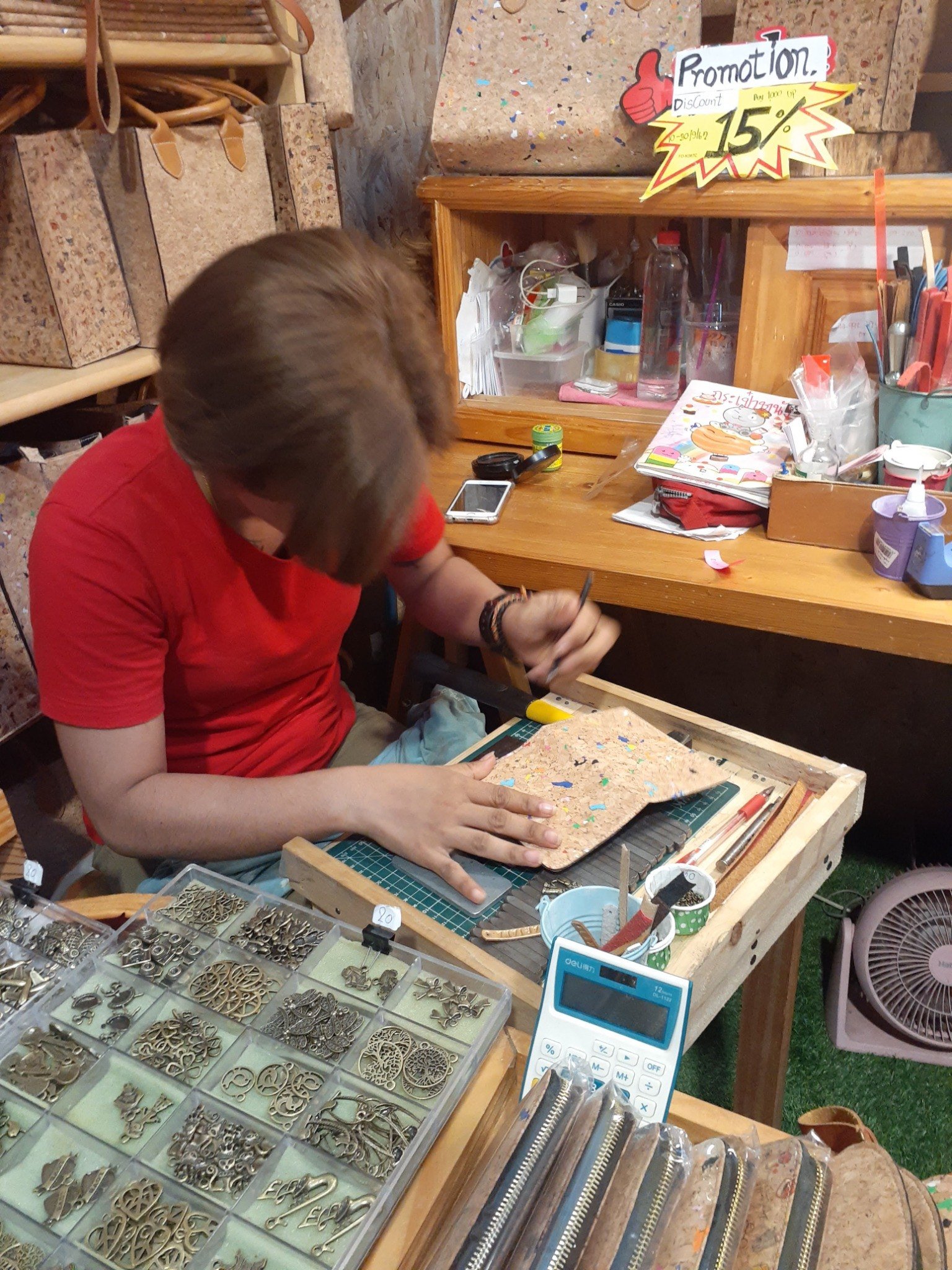
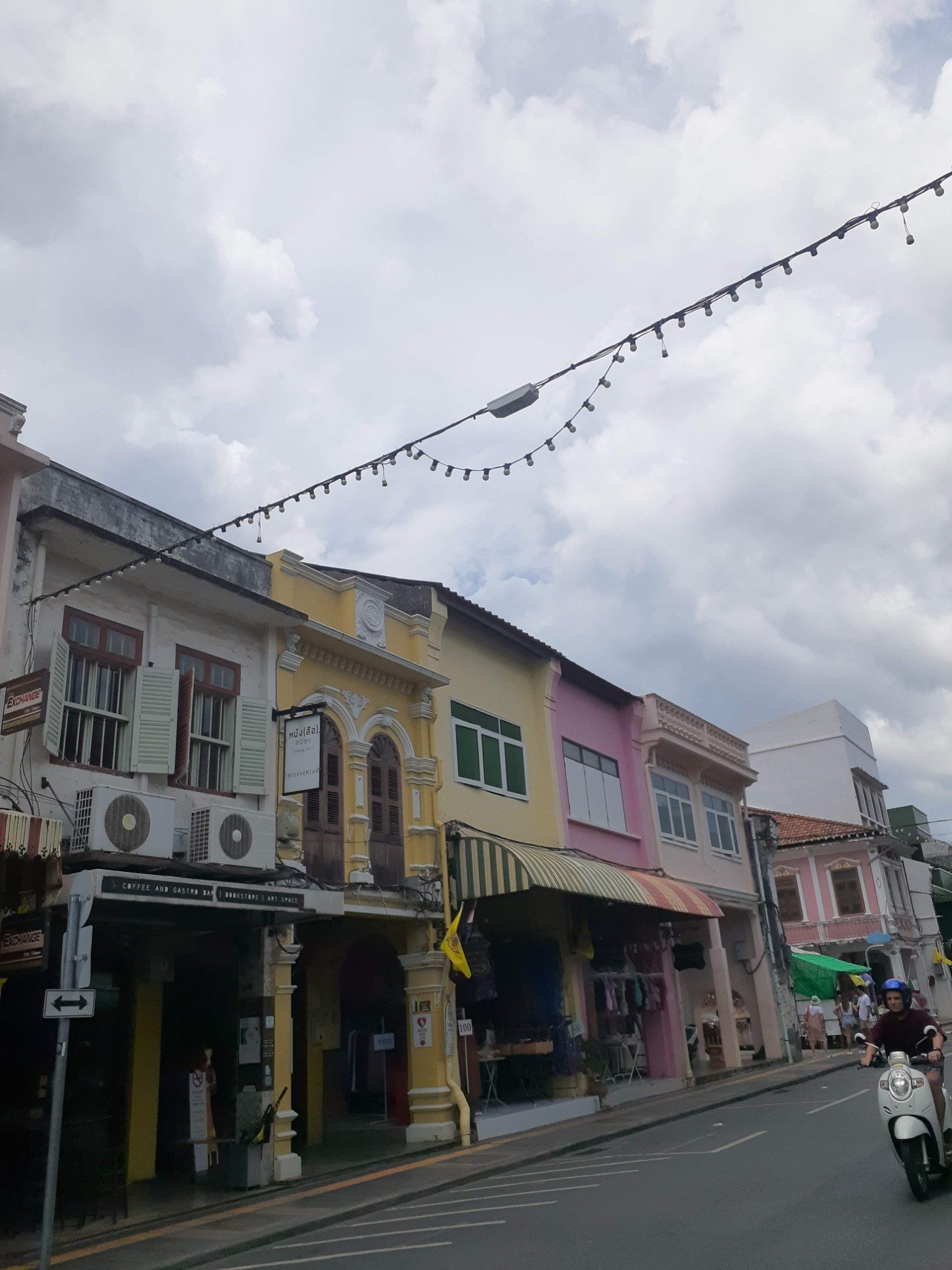
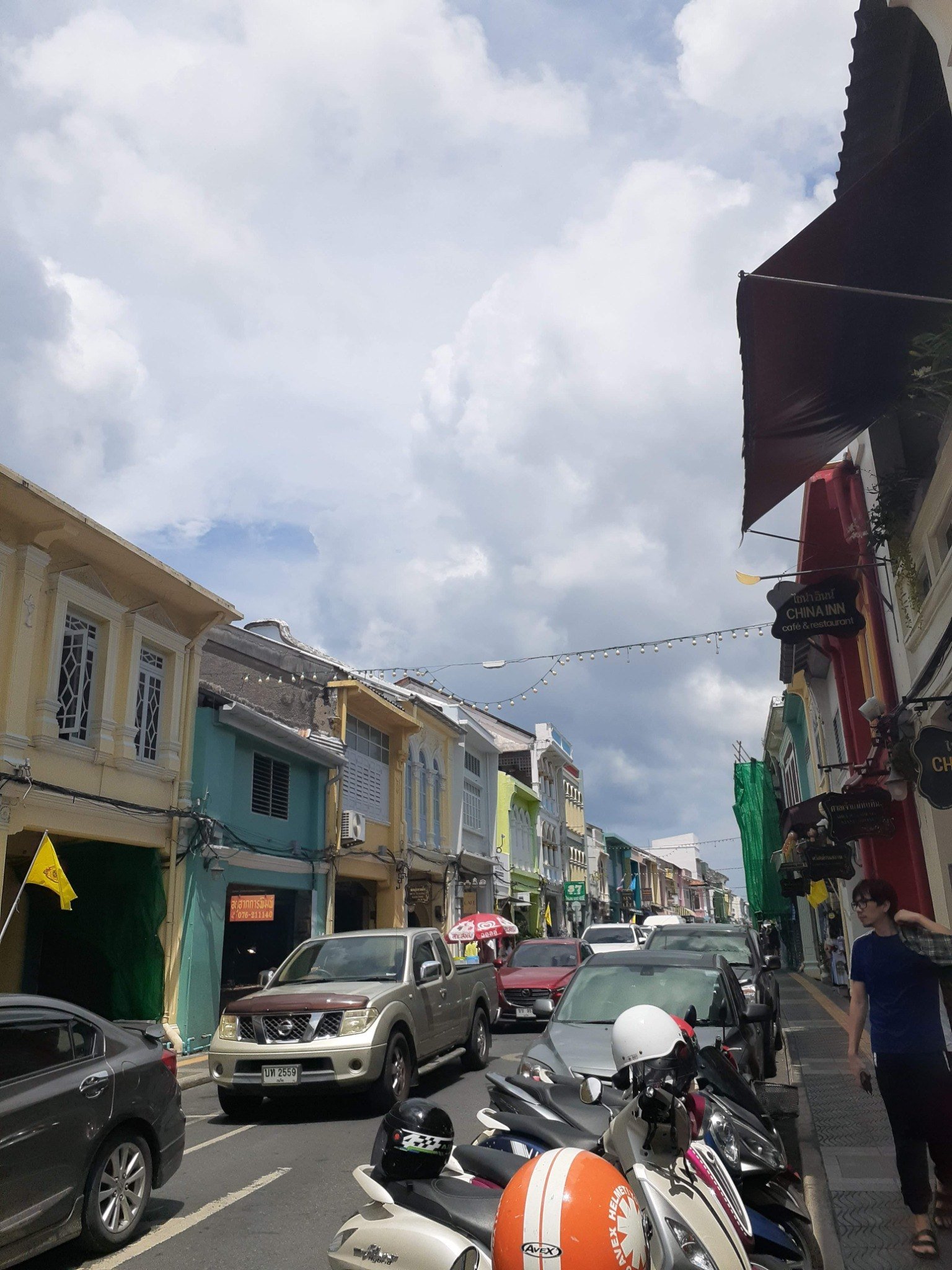
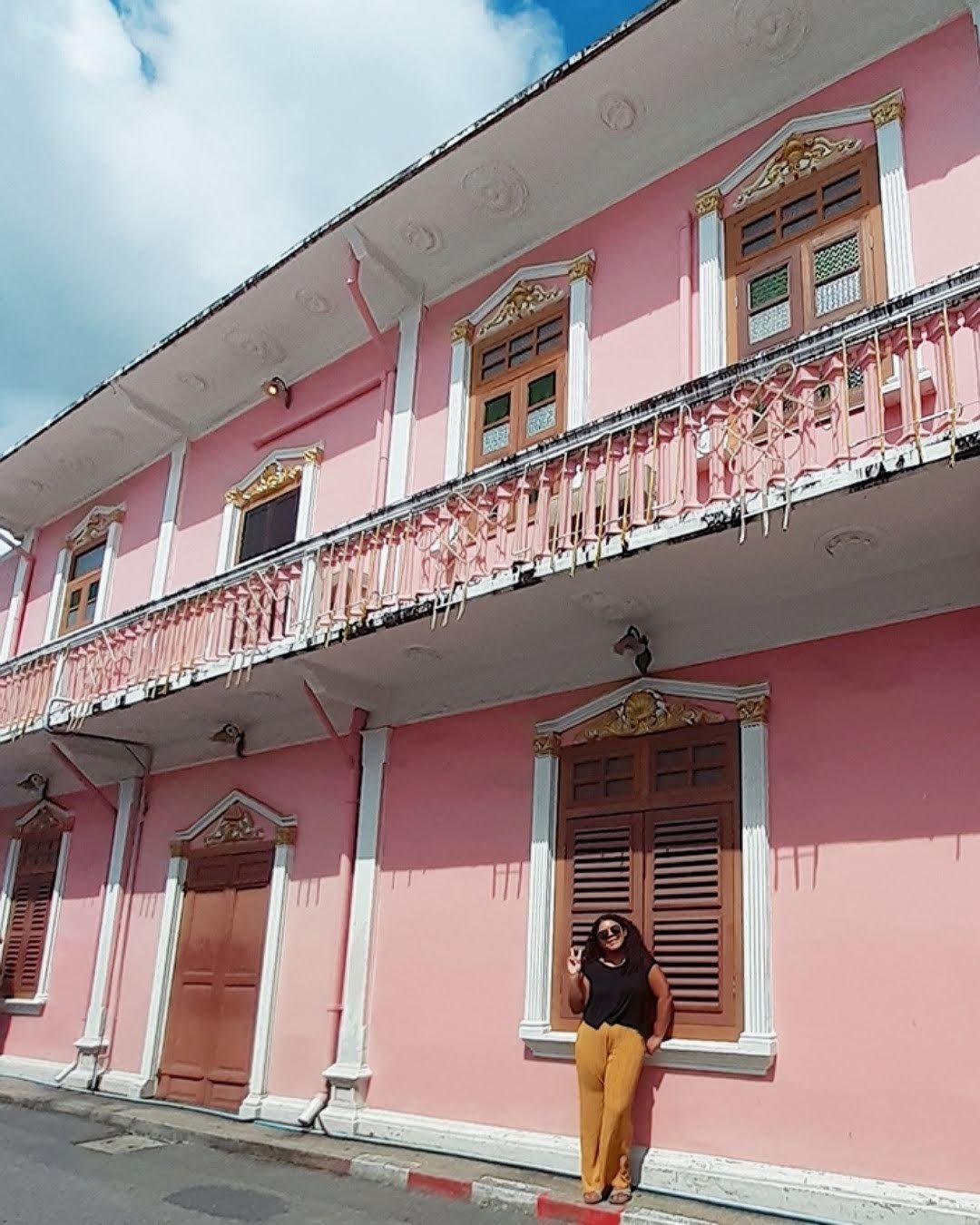
And then, because I clearly had not learned my lesson, I took a tuk-tuk back to Patong.
Part of me wanted to give it another chance.
Part of me probably wanted to confirm that I still did not like it.
I found the Phuket I remembered: parasailing over the beach, nightlife, crowded streets, clubs, businesses aimed squarely at visitors and an economy that knew exactly why most foreigners had come.
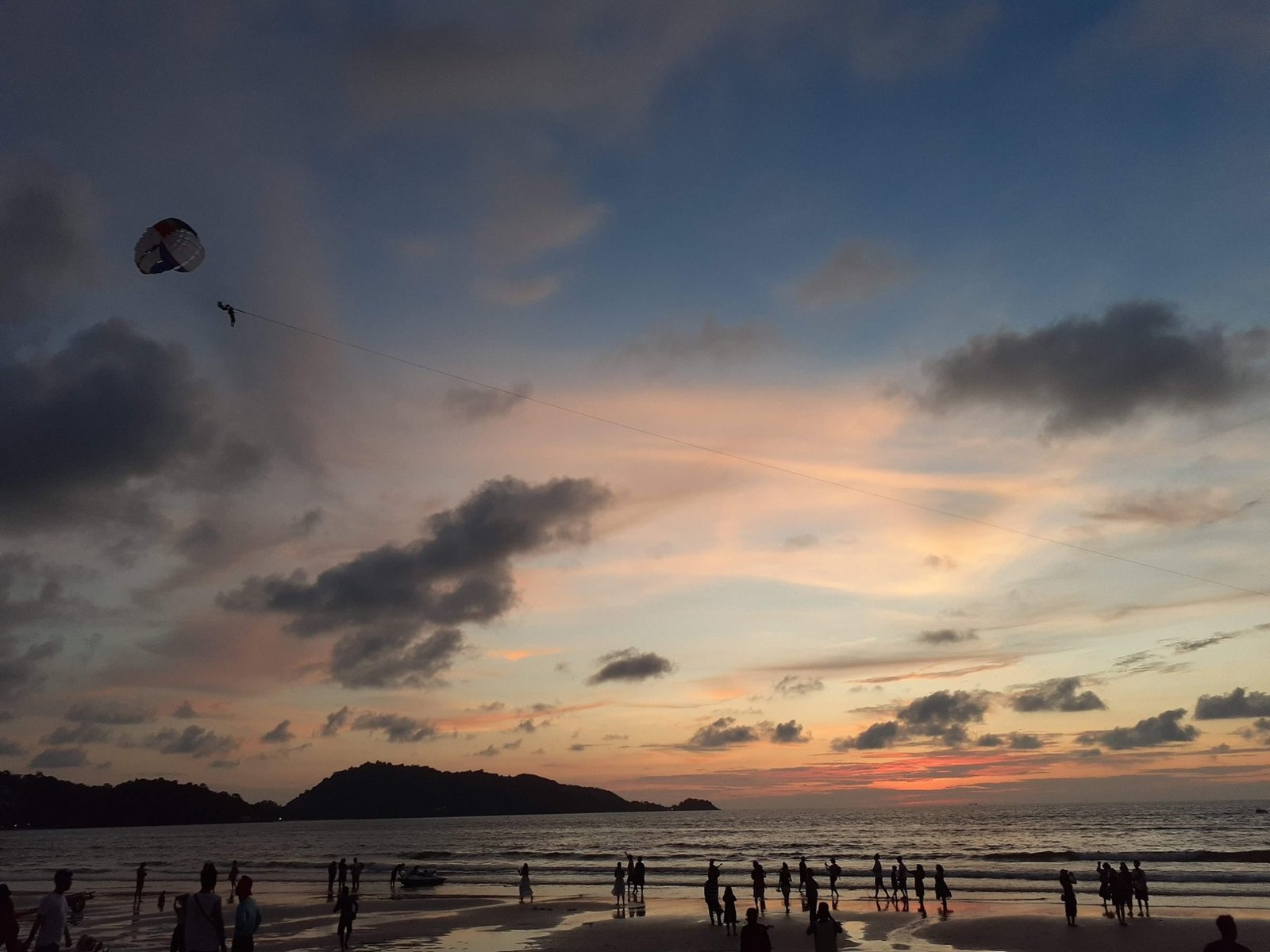
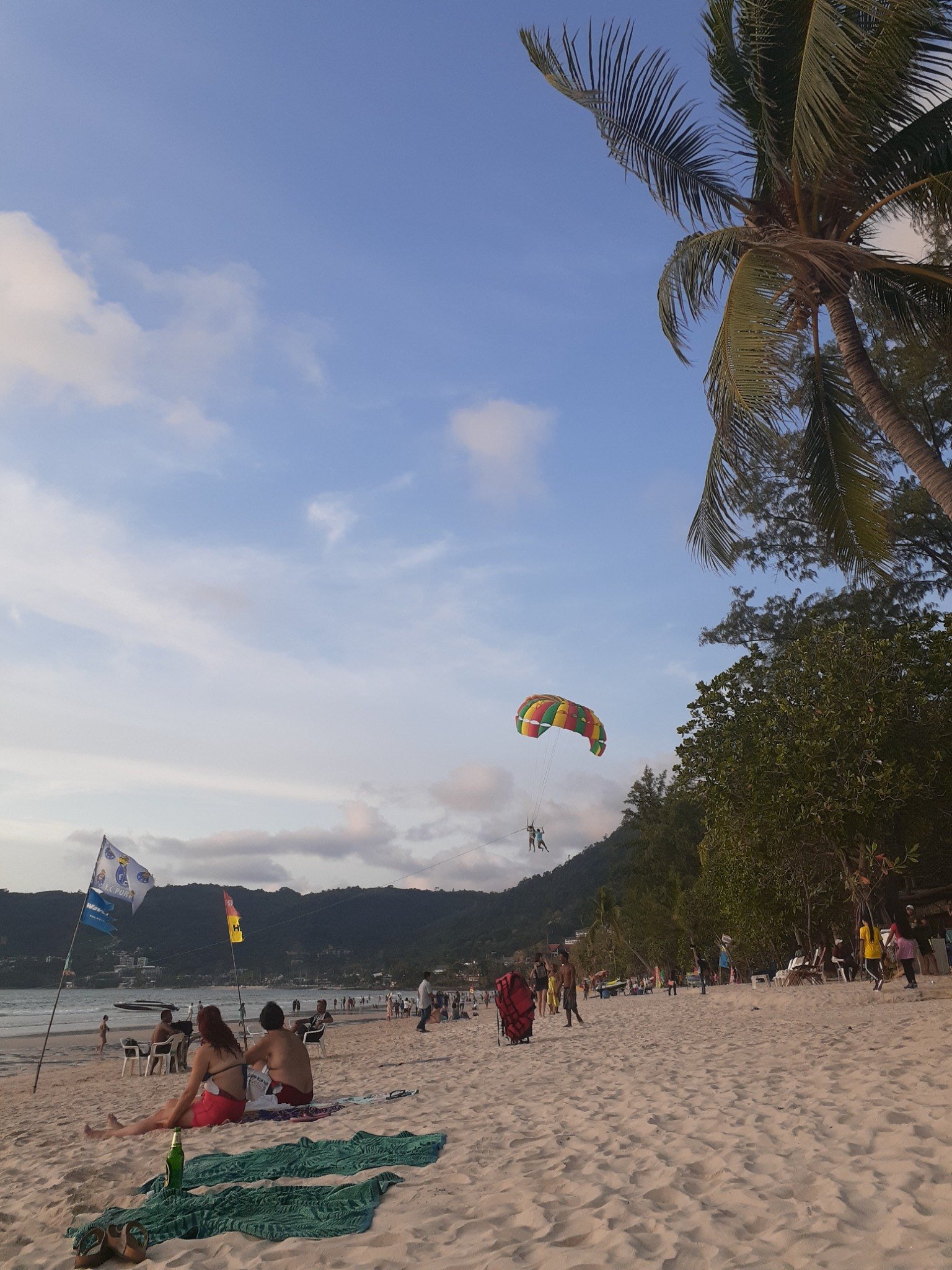
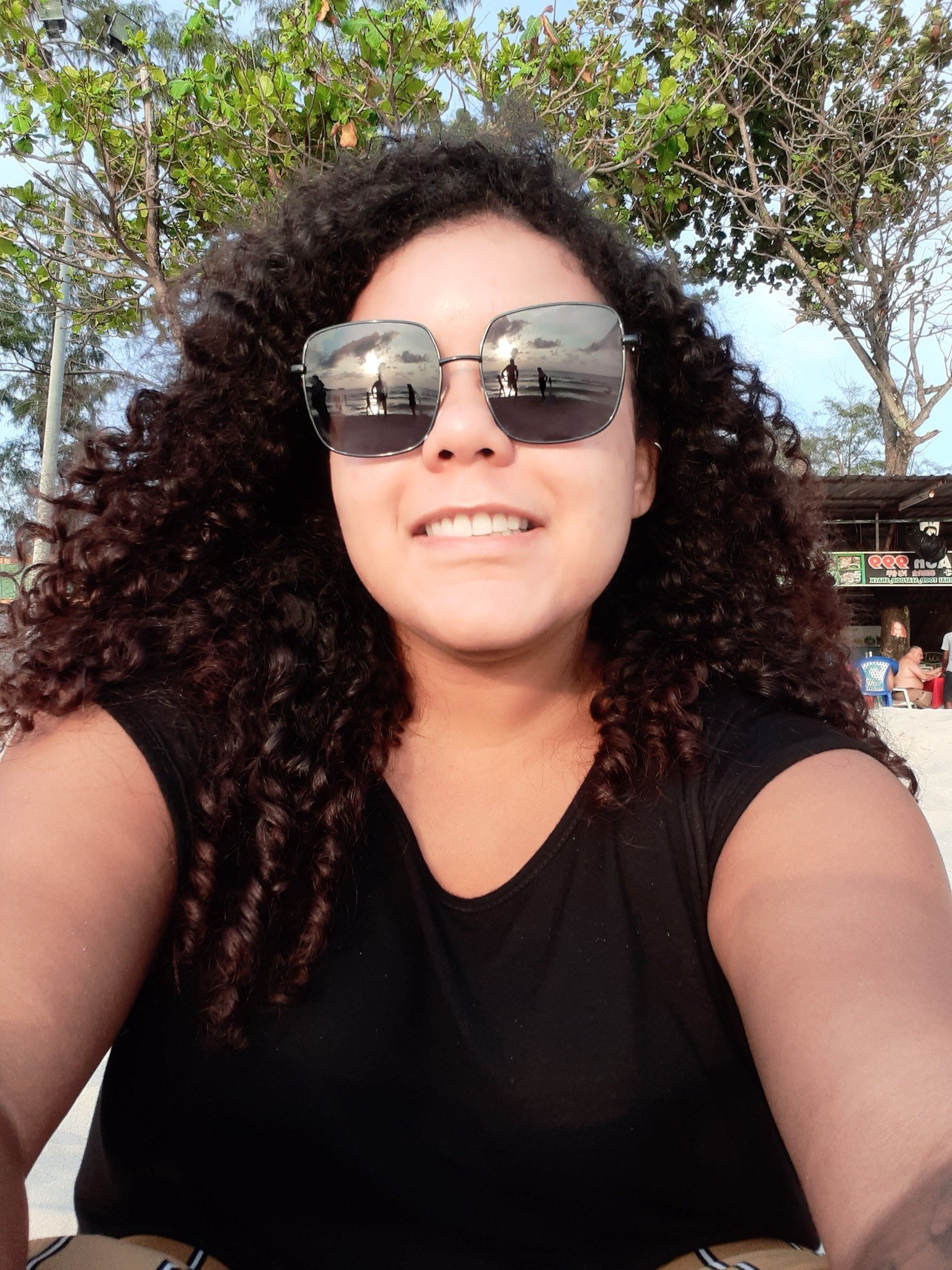
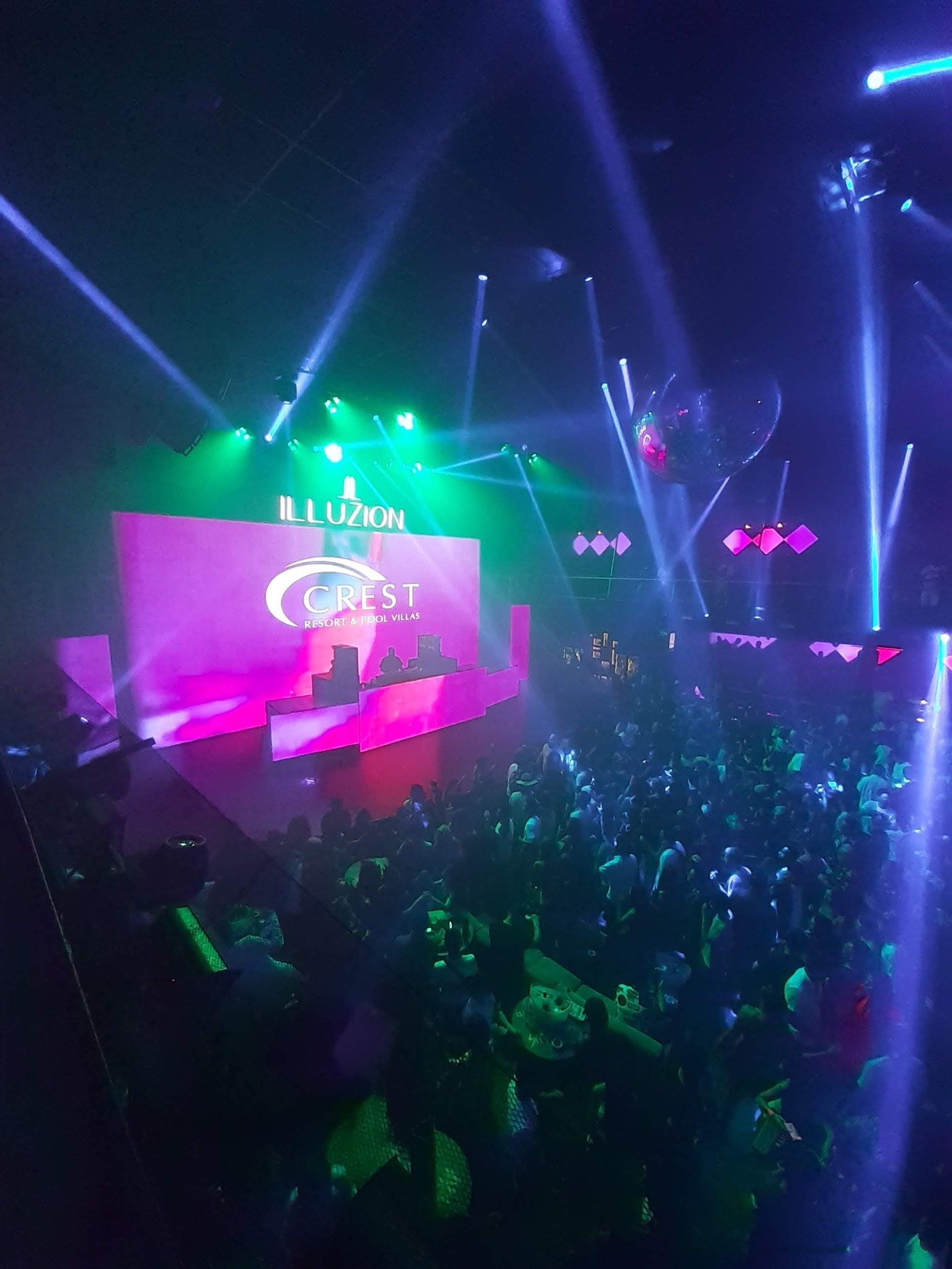
The difference was that now I knew it was not the whole island.
That distinction would become much clearer a year later.
Then the Tourists Went Home
I went back in 2020 and barely recognized the place.
International tourism had collapsed. Phuket temporarily closed land and sea entry points, later shut its airport, closed hotels and sealed off several high-risk areas during the COVID response.
By the time I returned, finding somewhere cheap to stay was strange in itself.
Hostels were closed.
I found one still operating.
There were three of us.
That was Phuket.
An island I remembered as noise, traffic, backpacks, tour desks, bars, motorbikes and people trying to sell something suddenly had space.
People talked to me longer.
Interactions felt warmer.
There was no rush to move on to the next customer because sometimes there was no next customer.
I could go to Kata Noi on a Wednesday afternoon during a school holiday and be the only person on the beach.
I could visit Big Buddha without a long procession of people around me.
I could walk Patong at night and see stretches of its main street looking almost closed, more waiting than performing.
I could ride without constantly wondering whether the person wobbling beside me had learned to operate a motorbike twenty minutes earlier.
Even nearby Phi Phi became something I had never seen before.
Heaven on Earth.
And that is when I started wondering whether I had ever really hated Phuket.
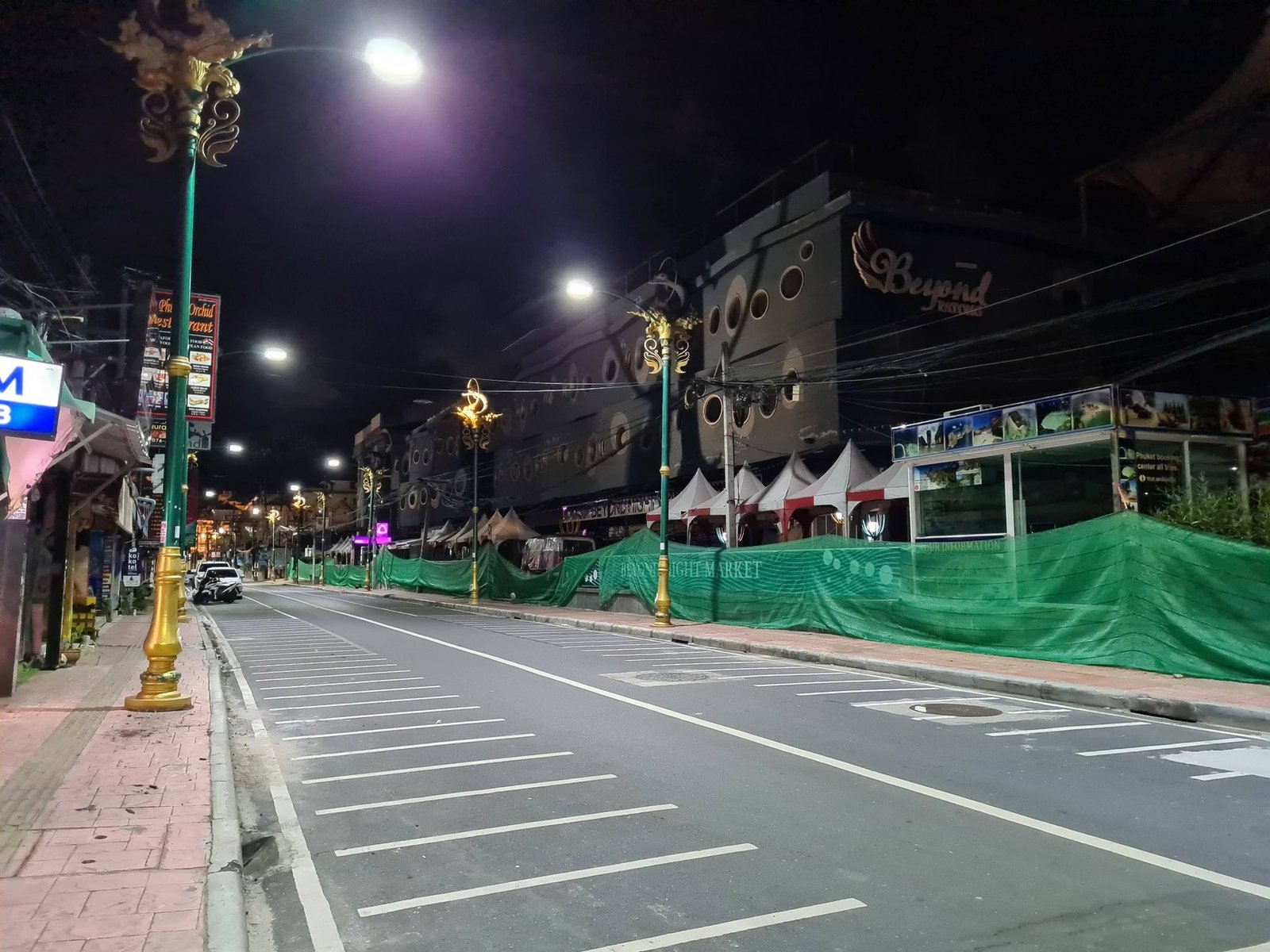
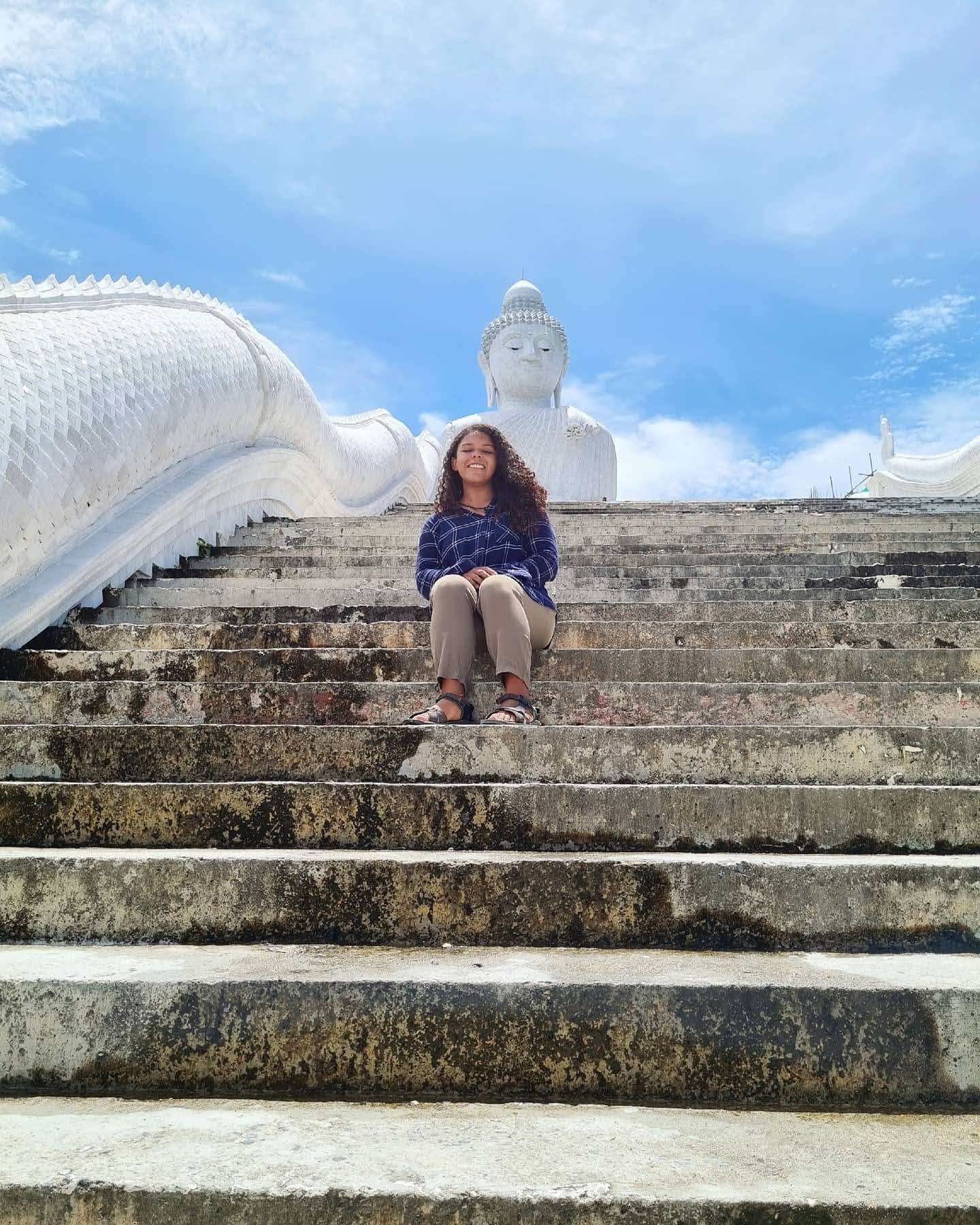
I Am Not Nostalgic for COVID
There is an uncomfortable part of this story.
I preferred Phuket without mass tourism.
Phuket needed the tourists back.
Both things are true.
Empty beaches were extraordinary for me.
Empty businesses were devastating for somebody else.
Walking around during that period could be sad. Places that had once been packed were hanging on by the skin of their teeth. Some never reopened. People needed customers. Businesses built around a constant flow of international visitors suddenly had almost nobody to serve.
Thai residents and the foreigners who remained became some of the only people spending money in places that normally depended on visitors.
So I am not going to romanticize that period as some magical moment when we "got Thailand back."
People lost jobs.
People lost businesses.
People lost income.
The fact that I could walk onto an empty beach and think it was beautiful existed alongside someone else staring at an empty restaurant and wondering how long they could survive.
I preferred Phuket without the tourists. Phuket needed the tourists back.
And Then Phuket Came Back
Eventually the roads filled again.
So did the beaches.
Restaurants reopened. Flights returned. People got their jobs back. Businesses had customers again.
And so did everything that had irritated me before.
Traffic. Noise. Parking. Construction. Crowds. Visitor-facing prices. Nightlife. Businesses built almost entirely around foreign demand.
Tourism did not just return to Phuket. It roared back.
Official provincial data reported 14.12 million visitors and 545.867 billion baht in tourism revenue in 2025. The previous year, provincial officials reported that tourism and services accounted for 92.9 percent of Phuket's revenue.
Those numbers make something important very clear.
Tourism is not happening to the side of Phuket.
It is one of the forces shaping Phuket.
I Still Would Not Call Phuket My Favorite Island
This is where the newer version of this article does not end with me announcing that I was wrong and Phuket is secretly perfect.
I still prefer other islands.
Koh Lanta has my heart.
So does Koh Jum.
Give me the slower islands, fewer people and less performance.
Give me somewhere where the beach feels like a beach before it feels like a product.
Phuket has a little bit of everything, which is both its strength and its weakness.
Sometimes it reminds me of Disneyland.
You can see an Eiffel Tower in Orlando.
Or you can go to Paris.
The replica is not pretending there is no such place as France. It is giving you a highly accessible, compressed version of something recognizable.
Phuket can work the same way.
Beaches. Nightlife. Resorts. Thai food. International food. Shopping. Boat trips. Luxury. Backpackers. Families. Expats. Wellness. Diving. Partying.
A little bit of almost everything.
But sometimes I would rather go somewhere that does fewer things and feels more like itself while doing them.
That does not mean Phuket is somehow not really Thailand.
Patong is part of Thailand too.
Mass tourism is real. Global investment is real. Thai people working in tourism are real people doing real jobs.
The mistake is thinking the most heavily commercialized tourist version is the whole island.
You Went to Patong. You Did Not Go to Phuket.
If someone told me, "I spent five days in Phuket. I know Phuket," my first response would probably be:
You're wrong. You went to Patong. You went to Kata. You did not go to Phuket.
Yes, technically you did.
You just saw the version of it designed to be easiest for you to see.
What four or five days rarely gives you is the beat of everyday living.
The markets.
The festivals.
The local food.
The residential neighborhoods.
The cheap places to eat that do not appear on the first page of a search.
The places people go after work rather than on vacation.
You also miss something less romantic: familiarity.
When I was visiting, transportation prices annoyed me.
Later, I had my own motorbike.
When I was visiting, I was looking for restaurants.
Later, I knew where people around me actually ate.
If the menu had burgers, Indian food, Thai food, Chinese food, pizza and seemingly every other cuisine available on Earth, I knew exactly who the restaurant expected to walk through the door.
That did not automatically make it bad.
It made it part of a different Phuket.
Tourists See Things Long-Term Residents Can Stop Seeing
There is another side to this.
Living near somewhere does not automatically make your perspective superior.
People who stay a long time stop noticing things.
A tourist might happily pay for a boat excursion that I would look at and think was wildly overpriced.
But overpriced compared with what?
My budget? A Thai salary? The price elsewhere in southern Thailand? Or what someone earning dollars, pounds or euros considers reasonable for one day of a vacation they have been saving for all year?
Something priced as a cheap vacation activity to someone earning a U.S. or European salary may not feel cheap at all relative to local wages.
And sometimes the tourist is right to be impressed by something I stopped finding remarkable years ago.
Familiarity gives you context.
It can also make you spoiled.
Who I Think Phuket Is Actually Great For
I would send someone to Phuket without hesitation if they wanted nightlife, luxury resorts, lots of restaurant choices, strong tourism infrastructure and a place where navigating Thailand in English is relatively easy.
I would especially understand someone choosing Phuket for a first trip to Asia.
There is comfort in having an international airport, familiar food when you want it, plenty of English, organized excursions and businesses accustomed to foreign visitors.
It can give you same same, but different without dropping you straight into the deep end.
That is not an insult.
For some travelers, that is exactly the trip they need.
But if you tell me you want quiet beaches, fewer people and cheaper everyday living?
I am probably sending you somewhere else.
Where I Would Send You Instead
Some of my favorite places in Thailand are the ones people struggle to pronounce when I mention them.
That is usually a good sign.
The Best Island Depends on What You Want
People ask which Thai island is the best as though Thailand is holding a pageant.
It depends.
Best for what?
Best for nightlife?
Best for spending a month doing almost nothing?
Best for diving?
Best for bringing your children?
Best for falling in love?
And even that last one needs clarification.
Are you looking for a long time or a fun time?
Different island.
Different answer.
This is why I would never write "Skip Phuket" now in the absolute way I might have at 23.
I would ask what you actually want from Thailand.
Then I would tell you whether Phuket is likely to give it to you.
I Do Not Think "Authentic" Is the Right Word
Travel writing loves the word authentic.
I have become suspicious of it.
Phuket is authentically Phuket.
Patong is authentically Patong.
The tourism industry is not imaginary simply because it exists for tourists.
But there is a difference between seeing a place and seeing the part of a place optimized for visitors.
That distinction matters.
A famous beach can be beautiful and exhausting.
A destination can be incredible for five days and somewhere I would never want to live.
A place I dislike as a tourist can become far more interesting once I understand how people actually live there.
And a place I adore living near might not be the vacation I would recommend to you.
Those contradictions are usually more useful than a list of ten things to do.
This Is Why NomaReina Wants Firsthand Stories
I do not want NomaReina to become another website where someone researches a destination from ten existing travel blogs, rearranges the same recommendations and calls it expertise.
I want the person who went.
The person who ignored the itinerary.
The person who listened to someone living there.
The person who found something strange.
The person who hated the place everybody else loved.
The person who returned three years later and realized they had been wrong about half of it.
The person who walked away with an opinion that did not fit neatly into "10 Reasons You NEED to Visit Phuket!"
That does not mean you have to live somewhere for years before you are allowed to write about it.
It means you should have actually noticed something.
Firsthand travel writing is not more valuable because the writer has the final answer. It is valuable because they can tell you what they saw, what surprised them and what they misunderstood the first time.
That is what happened to me with Phuket.
I still would not choose it as my favorite island.
I still think plenty of travelers would be happier elsewhere.
I would still choose some of Thailand's smaller, slower islands over Patong without thinking twice.
But I no longer confuse Patong with Phuket.
And I no longer think a few days somewhere gives me the whole story.
The Phuket I came to know after years of living next door was not the one you see on Instagram.
That is exactly why it was worth seeing.
Join the conversation
What place did you misunderstand on the first visit?
Tell me where you went, what you thought at first, and what changed once you saw more of it.
Comments
Leave a comment
Your email address will not be published.